
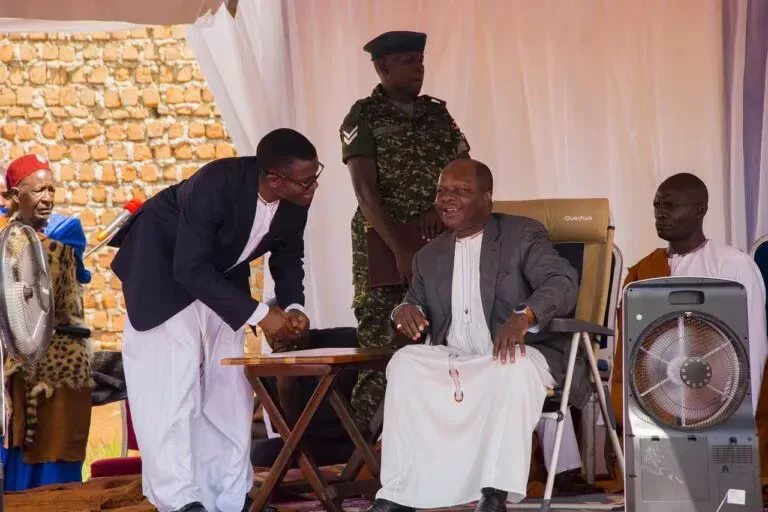
Uganda durch seine Menschen entdecken
Hier ist Kultur keine Darbietung – sie ist eine Lebensweise. Uganda ist eines der kulturell vielfältigsten Länder Afrikas mit mehr als 56 verschiedenen ethnischen Gruppen und einem Mosaik aus Traditionen, die von Königreichen, Clans und Gemeinschaften geprägt sind. Vom Rhythmus der königlichen Trommeln in Buganda bis hin zu den Viehliedern der Karamojong – Ugandas kulturelle Identität ist so vielfältig wie seine Landschaften: Sie zeigt sich im Alltag, in der Art, wie Häuser gebaut, Speisen zubereitet und Geschichten erzählt werden.
Featured cultural experiences
Five ways to meet Uganda through its people
Culture here is not confined to museums or staged ceremonies. Walking through a village, you might join in harvesting bananas for matoke, listen to folktales passed down for generations, or watch a dance that carries both joy and meaning.
Buganda Kingdom Heritage (Central Uganda)
Explore the Kabaka's palace, the UNESCO-listed Kasubi Tombs, and royal sites that reveal how kingship has shaped Uganda's history and society.
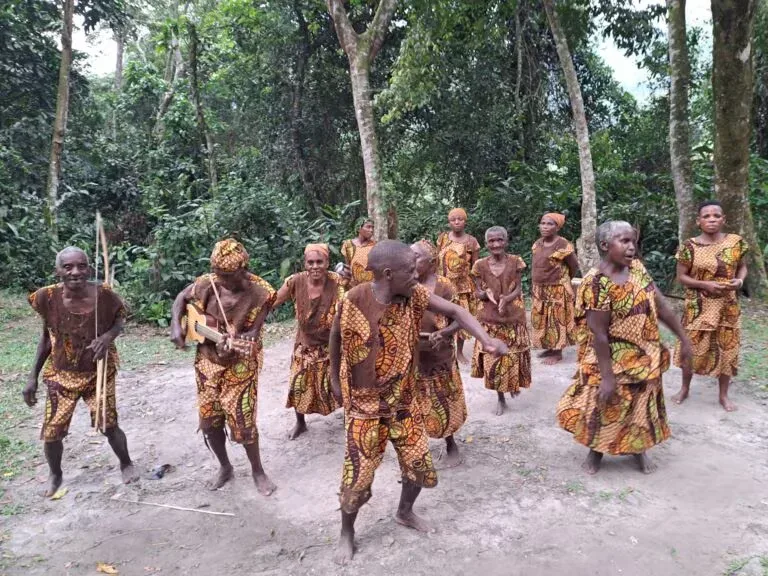
Batwa Cultural Trail (Bwindi Highlands)
Guided by Batwa elders, learn about life in the forest: from fire-making and hunting skills to songs that once echoed through Bwindi. These experiences keep alive traditions that risk fading with time.
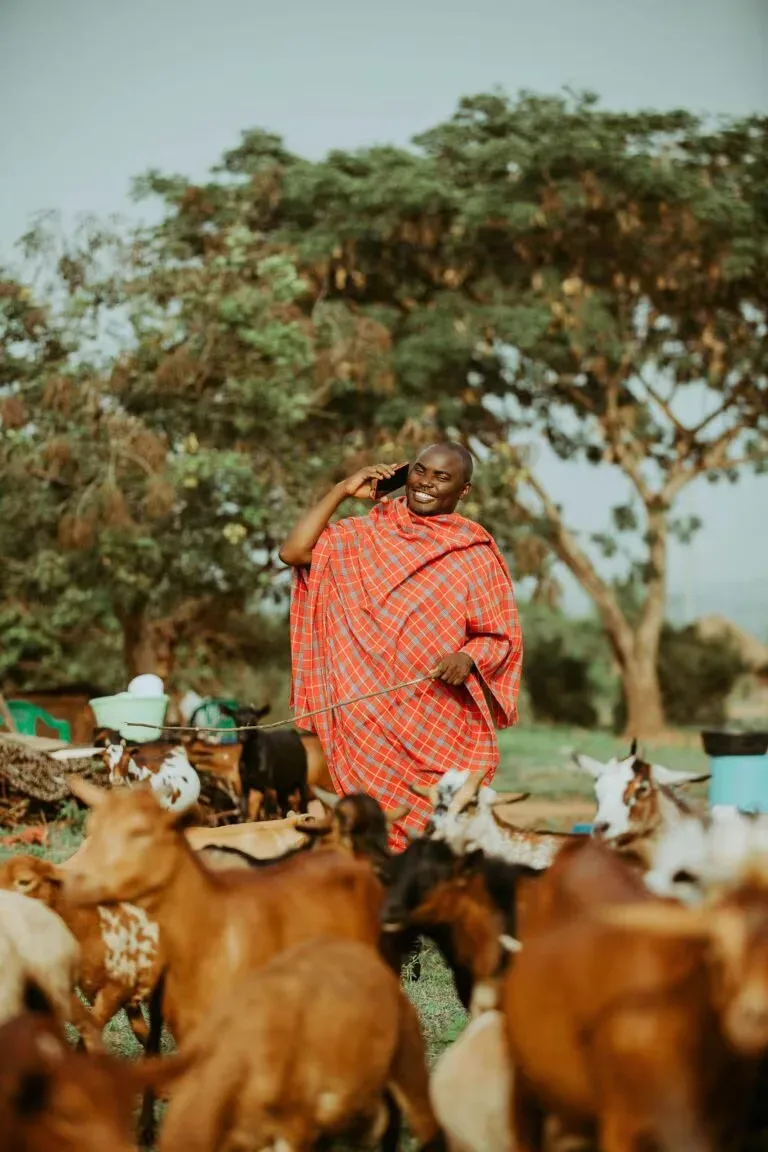
Karamojong Homesteads (Northeast Uganda)
Visit the kraals where cattle are central to life. The Karamojong share their warrior dances, pastoral values, and the role of cattle as both livelihood and symbol of identity.
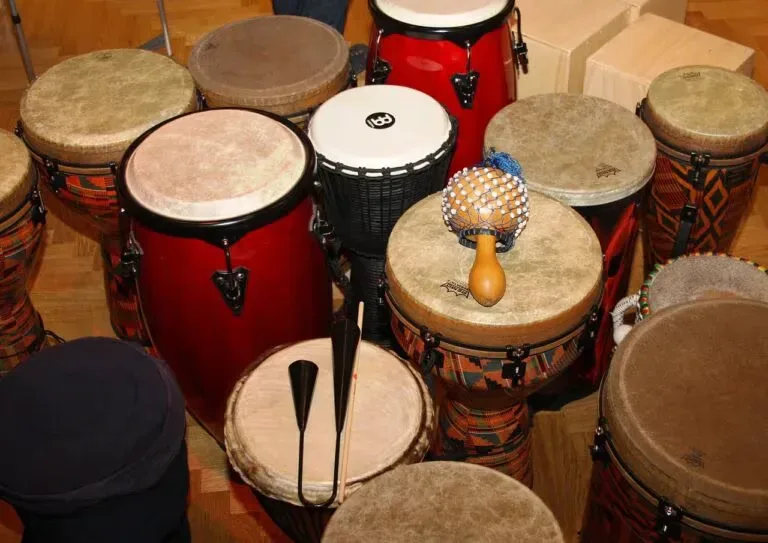
Music, Dance & Storytelling Across Uganda
Experience drumming in central Uganda, vibrant Acholi dances in the north, or oral storytelling that blends memory with wisdom.
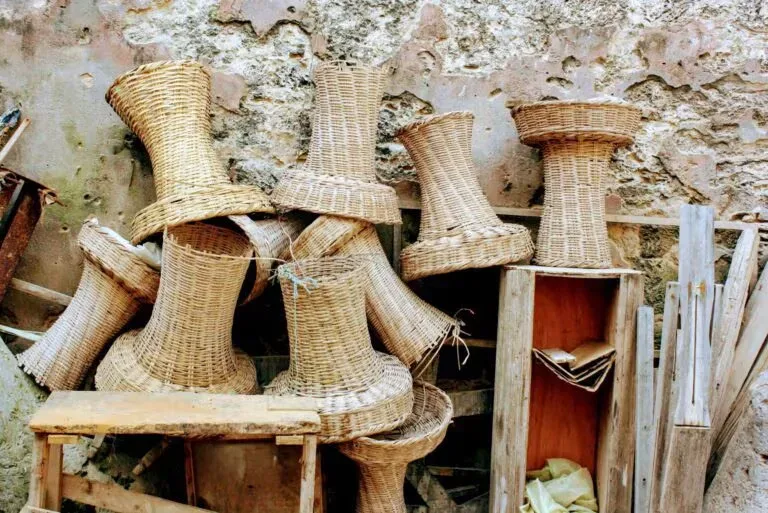
Crafts & Food Traditions
Sit with artisans weaving baskets or molding clay pots, and learn how staples like matoke are prepared: everyday practices that embody Ugandan hospitality.
Warum Uganda für eine Kultursafari?
Uganda ist ein Schmelztiegel der Kulturen, in dem Königreiche, Clans und Gemeinschaften jeweils ihren Teil zu einer größeren Geschichte beitragen. Eine Kultursafari fühlt sich hier weder distanziert noch inszeniert an. Sie fügt sich nahtlos in den Alltag ein. Ob Sie mit Batwa-Führern auf Waldwegen wandern oder in einem Buganda-Innenhof sitzen und den Trommeln lauschen – Sie werden als Teil der Gemeinschaft willkommen geheißen, nicht als Zuschauer.
Unser Ansatz bei Huko Safaris ist es, diese Safaris klein, respektvoll und authentisch zu gestalten: Raum für Gespräche, gemeinsame Mahlzeiten und Lernerfahrungen, die es Ihnen ermöglichen, Uganda nicht nur als Reiseziel zu sehen, sondern als lebendige Heimat von Millionen von Geschichten.
The Impact of Cultural Tourism in Uganda
Cultural tourism in Uganda has become a bridge between communities and the wider world:
- Helped Batwa communities keep their traditions visible and valued, while creating opportunities in education and guiding.
- Strengthened efforts to protect Buganda's royal heritage sites, ensuring they remain active centers of history and identity.
- Provided Karamojong youth with new ways to share their traditions while gaining sustainable livelihoods.
For many groups, cultural tourism has shifted traditions from being seen as "old ways" to becoming sources of pride and continuity. When visitors take time to listen and learn, cultures are not only preserved but empowered to grow in modern contexts.
Sind Sie bereit, Uganda durch seine Menschen kennenzulernen?
Sagen Sie uns, was Sie fasziniert, und wir helfen Ihnen dabei, eine kulturelle Entdeckungsreise rund um dieses Thema zu gestalten: kleine Gruppen, echte Gemeinschaften, keine inszenierten Darbietungen.
Ganz unverbindlich: Sagen Sie uns, was Sie anspricht, und wir bauen darauf auf.