
Activité en Ouganda
Safaris d'observation des oiseaux
Guided birdwatching across Uganda's forests, wetlands, and savannah, home to over 1,060 recorded bird species, more than any country in Africa its size.
- Que se passe-t-il ?
- A specialist birding guide leads walks or drives through high-value sites like Bwindi, Mabamba Bay, Semuliki, or Kibale, tracking species by call as much as by sight and keeping a running list through the day.
- Ce que l'on ressent
- The pace is slower and quieter than a game drive, built around long stretches of stillness broken by sudden activity when a guide identifies a call and the group moves fast to spot it.
- À qui s'adresse-t-il ?
- Dedicated birders chasing a specific species list, and casual travelers who enjoy wildlife spotting at a gentler pace than a vehicle safari.
- Bon à savoir
- Uganda's bird list includes the shoebill stork and over 20 species found nowhere else outside the Albertine Rift region.
Safaris avec Safaris d'observation des oiseaux
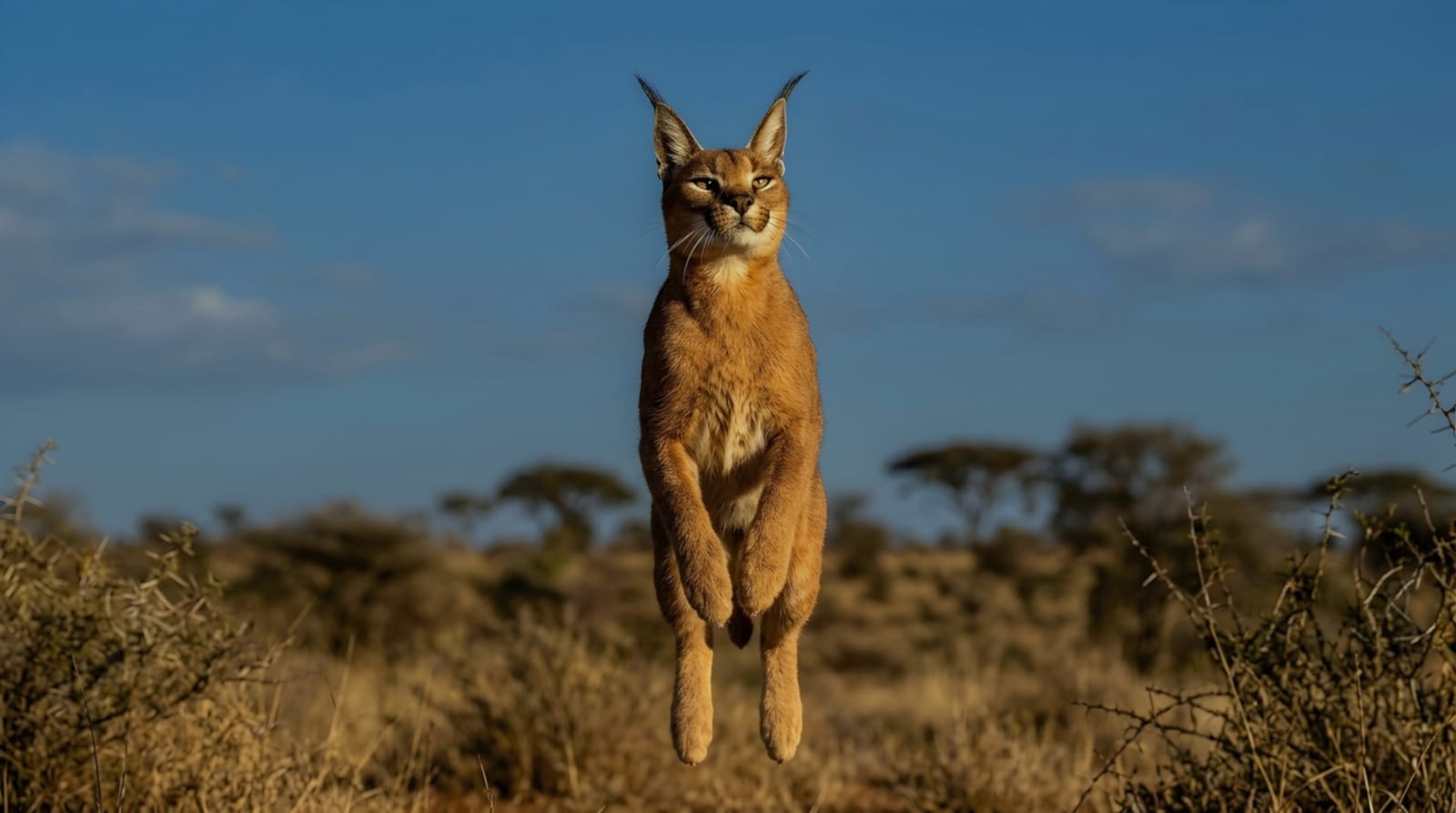
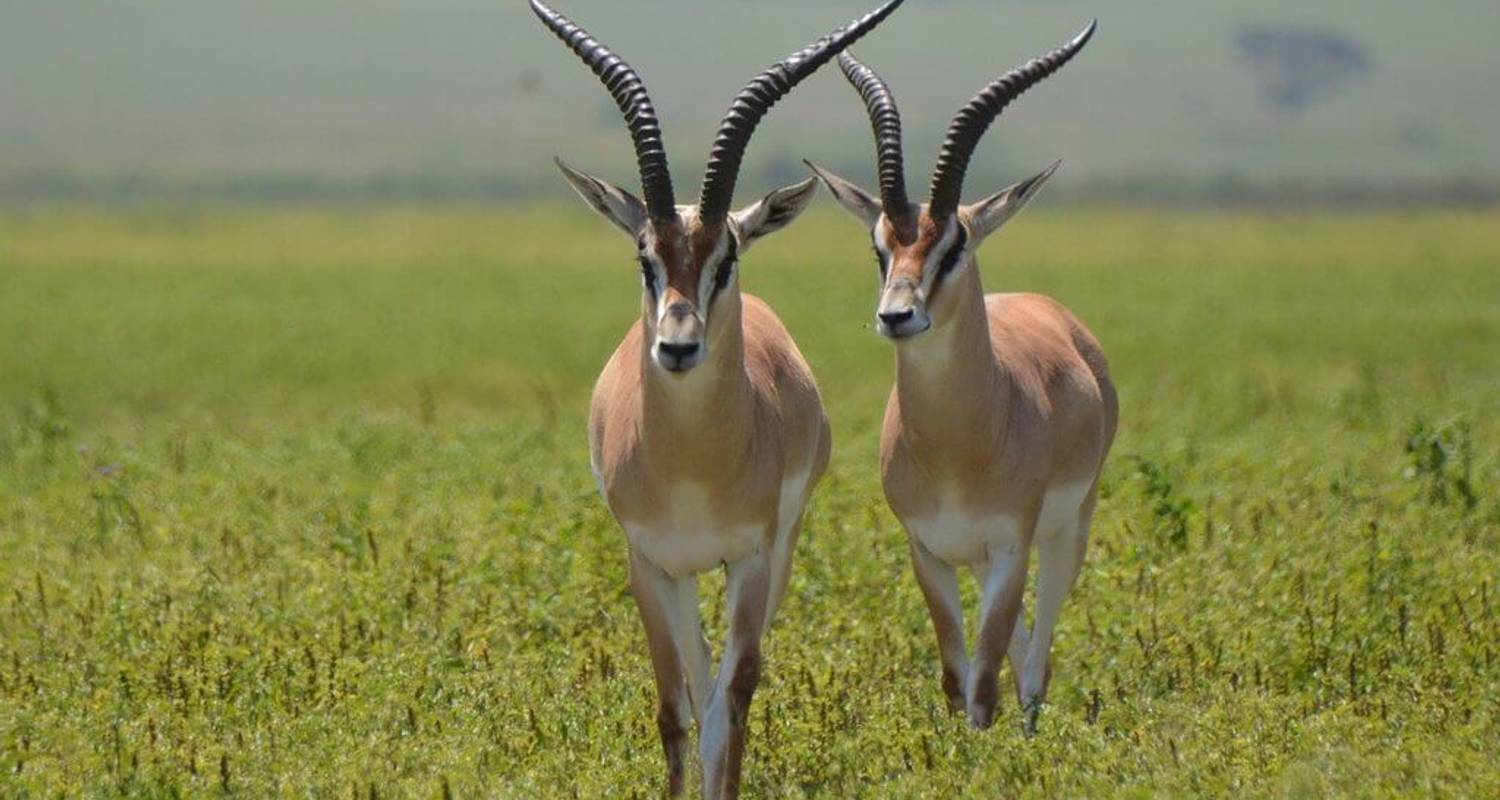
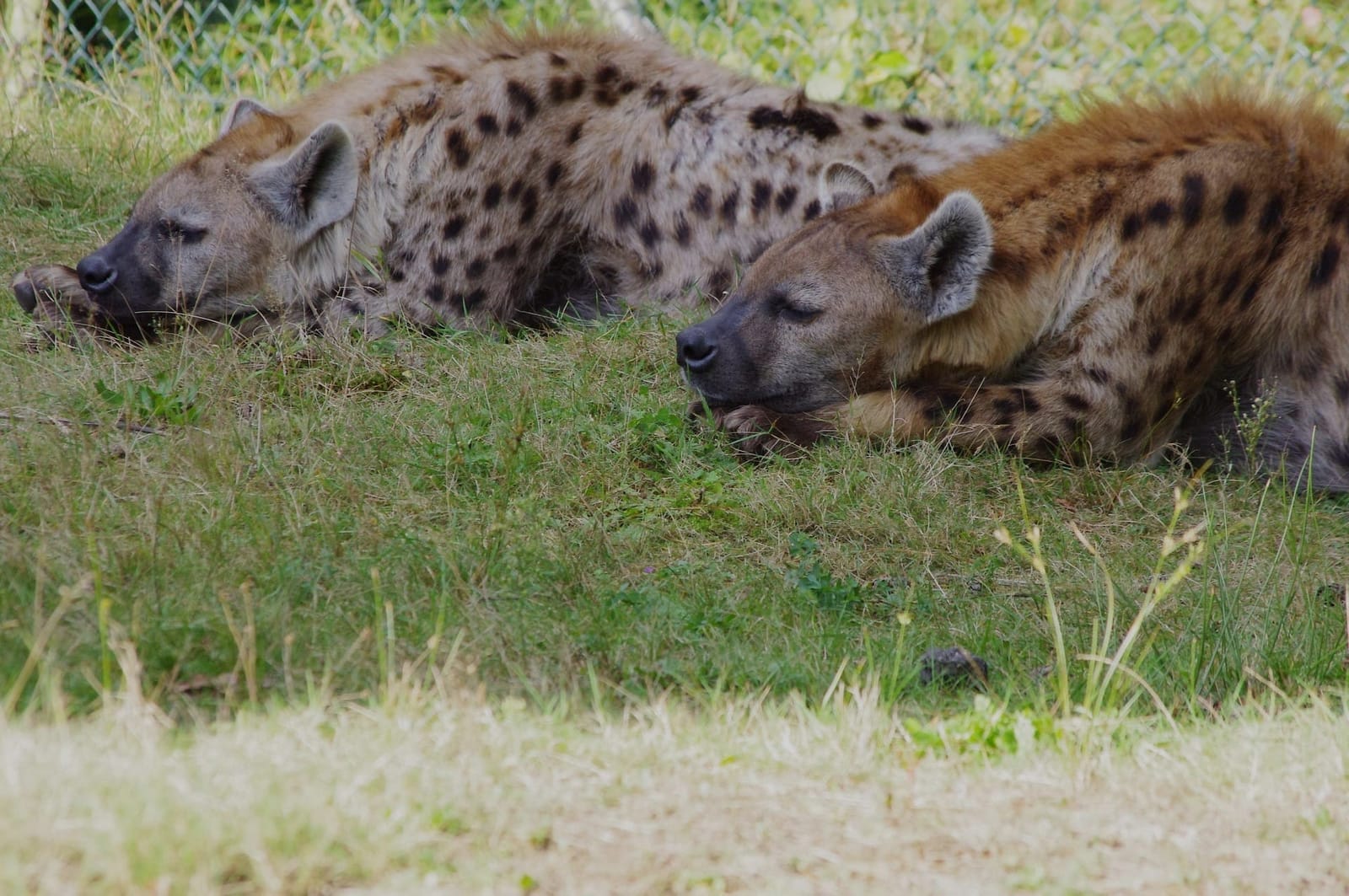
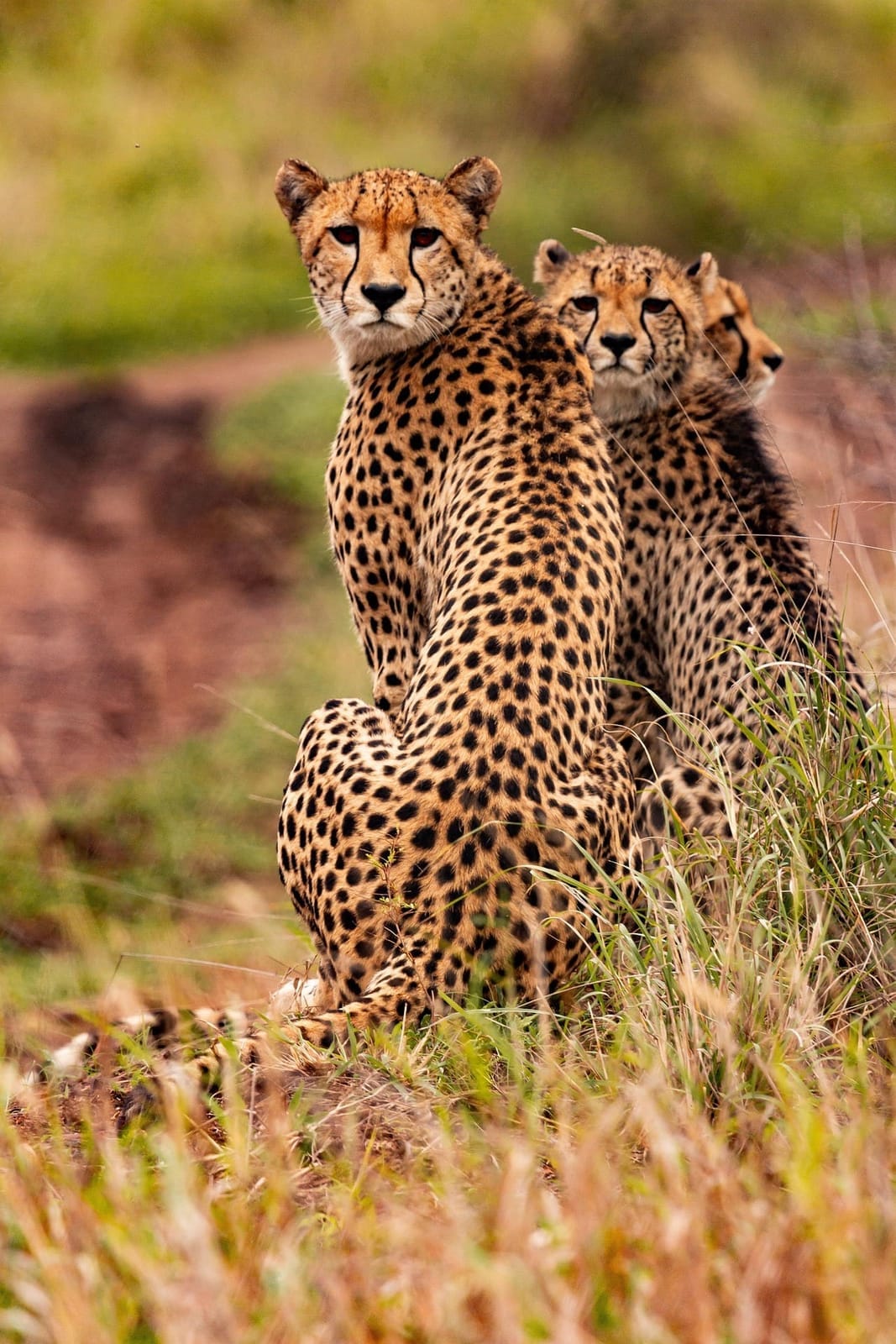
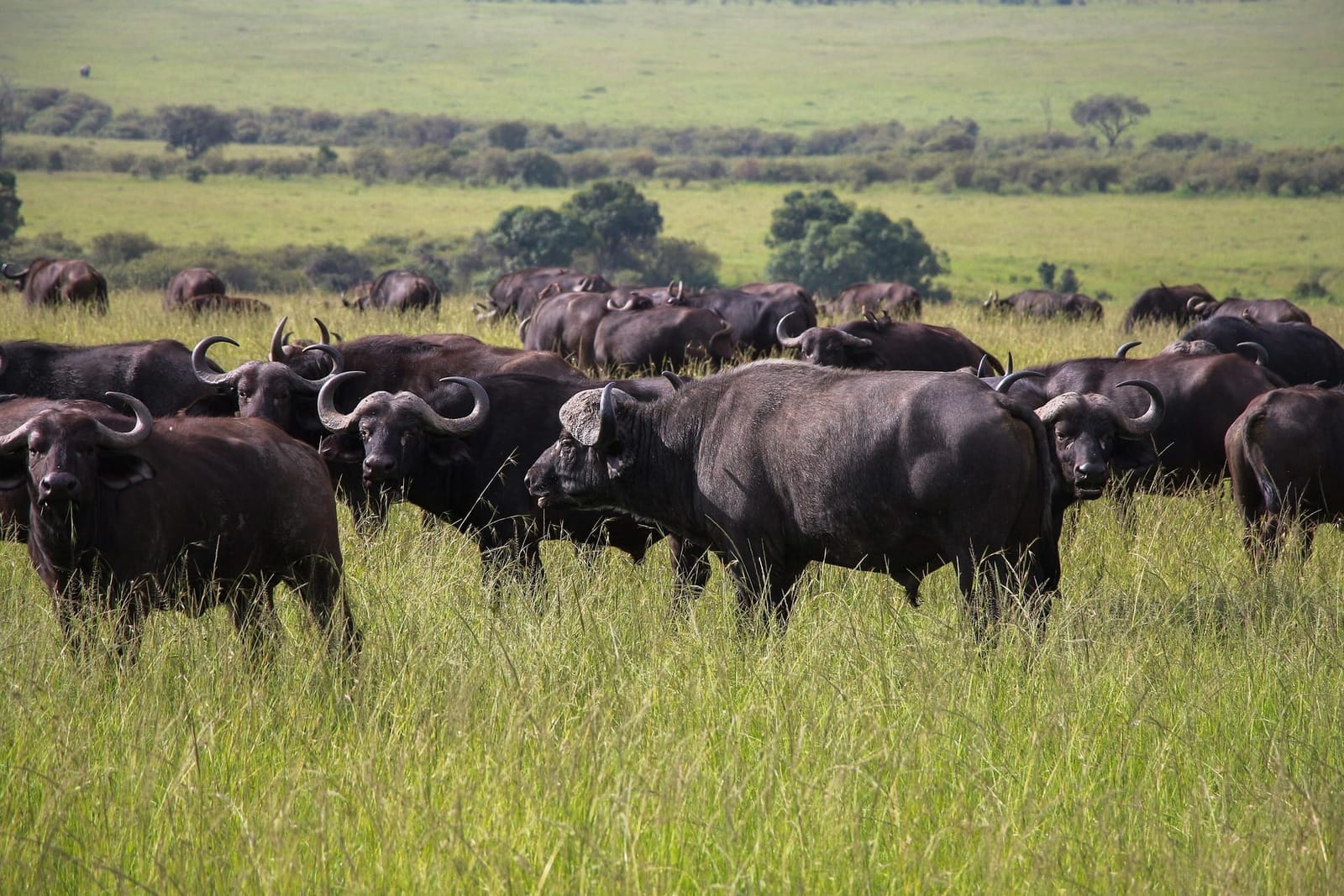
Safari ultra-luxueux de 4 jours à Kidepo avec transfert en avion
Prenez un vol charter privé, évitez les 12 heures de route et passez 4 jours dans le seul véritable lodge de luxe de Kidepo.
De 6 440 € par personne
Où faire Safaris d'observation des oiseaux en Ouganda
Lake Mburo National Park
Lake Mburo National Park is Uganda's smallest savannah park and the closest one to Kampala, reached in roughly 3.5 to 4 hours by road, which makes it the country's go-to stop for travelers short on time or breaking up the long drive southwest to Bwindi. Its 370 square kilometers of acacia woodland and open grassland sit around five lakes, the largest of which, Lake Mburo itself, gives the park its name and its boat safaris.
Kidepo Valley National Park
Kidepo Valley National Park is Uganda’s most remote and ruggedly beautiful savanna wilderness, spanning 1,442 square kilometers in the extreme northeastern Karamoja region. Bordering South Sudan and Kenya, the park features a dramatic landscape dominated by the Narus and Kidepo valleys, flanked by the soaring Mount Morungole and rugged mountain ranges. Because it is isolated, it receives a fraction of the tourists found in western Uganda, providing an exclusive, untamed safari atmosphere reminiscent of Africa fifty years ago. The park protects a diverse ecosystem of montane forests and semi-arid savanna grasslands. It is home to 86 mammal species and over 460 bird species, including many found nowhere else in the country.
Rwenzori Mountains National Park
Rwenzori Mountains National Park protects Africa's highest non-volcanic range, the 'Mountains of the Moon,' straddling the border with the Democratic Republic of Congo in western Uganda. Its highest point, Margherita Peak on Mount Stanley, reaches 5,109 meters, and the range's equatorial glaciers and afro-alpine vegetation earned it UNESCO World Heritage Site status in 1994.
Mount Elgon National Park
Mount Elgon National Park protects an extinct shield volcano straddling the Uganda-Kenya border in eastern Uganda, centered on one of the largest intact calderas in the world at roughly 8 kilometers across. The mountain's lower slopes around Sipi are also Uganda's main Arabica coffee-growing region, giving the park a hiking-and-coffee-country character distinct from the gorilla and savannah parks further west.
Semuliki National Park
Semuliki National Park sits on the floor of the Albertine Rift in far western Uganda, near the Democratic Republic of Congo border, protecting one of East Africa's few remaining pockets of lowland tropical rainforest, an extension of the Ituri Forest across the border. It is one of Uganda's premier birding destinations, with over 400 recorded species, many found nowhere else in East Africa.
Toro-Semliki Wildlife Reserve
Toro-Semliki Wildlife Reserve sits on the floor of the Albertine Rift in western Uganda, between the Rwenzori foothills and Lake Albert, directly adjacent to Semuliki National Park's rainforest. Its drier savannah and borassus palm woodland give it a genuinely different look from the forests around it, and its Semliki River frontage is one of the best places in the region to watch crocodile.
Katonga Wildlife Reserve
Katonga Wildlife Reserve follows the Katonga River and its wetlands between Lake Mburo and Kibale, in a flatter, less-visited stretch of western Uganda. It functions as an elephant corridor linking the Queen Elizabeth ecosystem to the north, and its papyrus swamps hold one of Uganda's more accessible sitatunga antelope populations.
Kabwoya Wildlife Reserve
Kabwoya Wildlife Reserve sits on the eastern shore of Lake Albert in Hoima's Kikuube district, a compact savannah reserve best known for its Rothschild's giraffe and its sunset views over the lake toward the Congo escarpment on the far shore.
Ajai Wildlife Reserve
Ajai Wildlife Reserve sits on a peninsula formed by a bend in the Albert Nile in Uganda's West Nile region, in Madi Okollo district. It once held a significant white rhino population before poaching eliminated it locally, a history that directly led to the creation of Ziwa Rhino Sanctuary as Uganda's current rhino reintroduction site.
Budongo Forest Reserve
Budongo Forest Reserve is Uganda's largest surviving natural mahogany forest, bordering Murchison Falls National Park's southern boundary in Masindi district. It holds one of the country's largest wild chimpanzee populations, estimated at several hundred individuals, tracked at two main trekking sites, Busingiro and Kaniyo Pabidi.
Kalinzu Forest Reserve
Kalinzu Forest Reserve sits just south of Queen Elizabeth National Park along the Kasese-Mbarara road, a mid-altitude tropical forest known for chimpanzee trekking at a noticeably lower cost than Kibale's. Its forest trails also hold eight other primate species and some of western Uganda's best accessible forest birding.
Maramagambo Forest
Maramagambo Forest sits within Queen Elizabeth National Park's southern sector, a tropical forest best known for its Bat Cave, where rock pythons wait at the cave mouth to prey on the thousands of bats roosting inside, a sight that drew international attention after being filmed for a nature documentary.
Mabira Central Forest Reserve
Mabira Central Forest Reserve is the largest surviving natural forest in central Uganda, roughly 90 minutes from Kampala along the road to Jinja. It's best known for its canopy zipline course, a rare adventure-tourism product inside a genuine rainforest, alongside its red-tailed monkeys and black-and-white colobus.
Mpanga Central Forest Reserve
Mpanga Central Forest Reserve sits a short, easy drive from both Kampala and Entebbe along the Masaka road, a compact tropical forest that functions as the quickest rainforest introduction for travelers with only a brief stopover near the international airport.
Lake George
Lake George sits at the northern end of Queen Elizabeth National Park's ecosystem, a Ramsar-listed wetland connected to Lake Edward by the Kazinga Channel. It sees far fewer direct visitors than the channel cruise itself, functioning mainly as the wetland anchor for the park's wider birdlife.
Ndali-Kasenda Crater Lakes
The Ndali-Kasenda crater lakes form a dense field of volcanic lakes near Fort Portal in western Uganda, dozens of near-circular lakes filling old volcanic craters across a landscape with direct views of the Rwenzori Mountains. The area functions as a scenic, relaxed base between Kibale, Semuliki, and Fort Portal's other attractions.
Ziwa Rhino Sanctuary
Ziwa Rhino Sanctuary in Nakasongola district is Uganda's only place to see rhinos, a breeding sanctuary created after the country's wild rhino population was wiped out by poaching in the 1980s. Guided tracking walks here bring visitors on foot to within a safe, close distance of the southern white rhinos the sanctuary is slowly rebuilding.
Mabamba Wetland Sanctuary
Mabamba Wetland Sanctuary is a papyrus swamp on the western shore of Lake Victoria, about an hour from Kampala or Entebbe, globally recognized as one of the most reliable places on Earth to see the shoebill, a large, prehistoric-looking stork found only in central African wetlands.
Lutembe Bay Wetland Sanctuary
Lutembe Bay Wetland Sanctuary is a Ramsar-listed wetland on the Lake Victoria shoreline near Entebbe, recognized internationally for the tens of thousands of migratory white-winged black terns that gather here in some seasons, among the largest such concentrations recorded anywhere.
Bigodi Wetland Sanctuary
Bigodi Wetland Sanctuary protects the Magombe Swamp on the edge of Kibale National Park, run entirely by KAFRED, a local community organization whose guided walks fund schools and clinics in the surrounding villages. It's best known as a strong complement to Kibale's chimpanzee trekking, with eight resident primate species of its own.
Lake Edward
Lake Edward sits within Queen Elizabeth National Park's ecosystem on the Uganda-DRC border, connected to Lake George by the Kazinga Channel, whose boat cruise, rather than the open lake itself, is how almost every visitor actually experiences this water body.