
Most bad safari experiences don't come from bad luck. They come from the choice made months earlier, at the booking stage, before anyone even landed in Uganda.
We've sat with enough travelers reviewing their itineraries, some already regretting a booking made elsewhere, to see the same handful of mistakes repeat. None of them are about a "bad company." They're about not knowing what to ask before choosing.
Mistake 1: Judging a Safari by Its Length Alone
A 5-day itinerary covering three national parks looks efficient on paper. In practice, Uganda's parks are separated by real driving distances. Bwindi to Murchison Falls is the better part of a day on the road. A short safari crammed with distant parks means most of it is spent in a vehicle, not on safari.
Fix: count driving days as real days, not travel filler. Two well-chosen parks with time to actually experience them beats four parks seen from a car window.
Mistake 2: Not Matching Activities to Physical Readiness
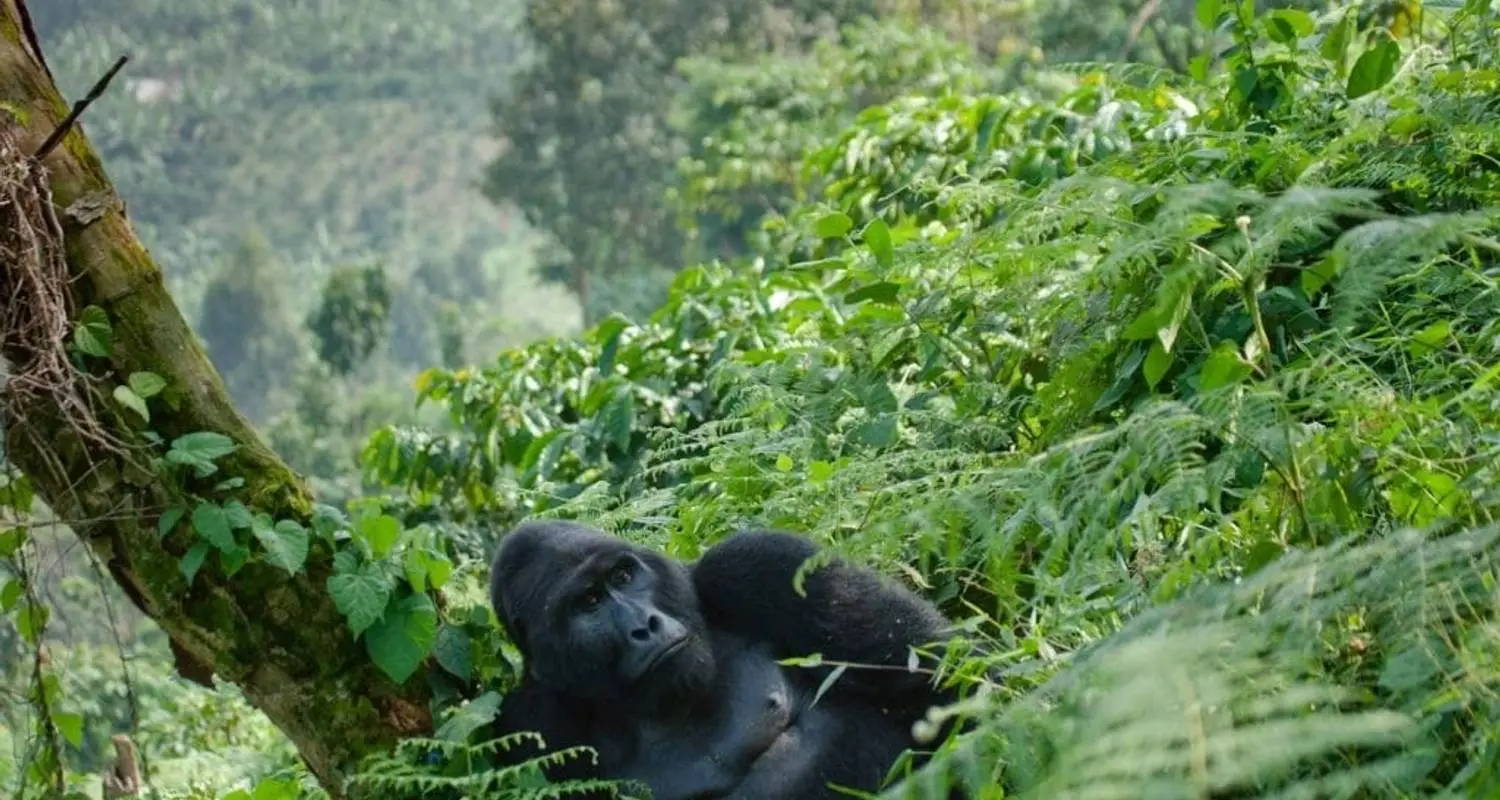
Gorilla trekking can mean a gentle 30-minute walk, or four hours uphill through dense forest, depending on where the gorilla family is that day. It is not told to travelers upfront often enough, and it's the single most common source of an unhappy trekking day.
Fix: ask directly how physically demanding a specific activity can get on a hard day, not just an average one, and say plainly what your own fitness level is.
Mistake 3: Booking Peak Season Without Understanding Permits
Uganda issues a limited number of gorilla and chimpanzee trekking permits per day, per park. During the dry season peak (June–August, December–February), popular permit dates sell out months ahead, not because of the safari company, but because the government allocation is genuinely limited.
Fix: if your dates are fixed (a holiday, a honeymoon), lock in permits as early as possible, before choosing lodges or finalizing the rest of the itinerary, not after.
Mistake 4: Choosing a Budget Tier Without Knowing What Actually Changes
"Budget," "midrange," and "luxury" don't just mean nicer beds. They usually change the vehicle (shared minivan vs. private 4x4), the guide-to-guest ratio, and how much flexibility you have to adjust the plan mid-trip.
Fix: ask exactly what changes at each tier for your specific itinerary, not just what the marketing photos show.
Mistake 5: Ignoring Who You're Actually Traveling With
A honeymoon itinerary and a family-with-kids itinerary should rarely look the same, even for the same parks. Game drive length, walking distance, and downtime between activities all need to shift depending on who's in the vehicle.
Fix: say who's traveling and why, before picking activities, not after building the itinerary around a generic "best of Uganda" template.
Mistake 6: Rushing Multiple Parks to "See More"
Every park has a realistic minimum stay to actually experience what makes it worth visiting. Kidepo's remoteness rewards at least two full days; Bwindi's trekking alone can fill one, sometimes two. Squeezing in an extra park often means arriving too late, leaving too early, or missing the activity you came for.
Fix: for each park on your list, ask "how long to stay" specifically, not generically, and be willing to drop a park rather than rush all of them.
Mistake 7: Not Knowing Who's Actually Building Your Itinerary
A locally based operator who has personally driven the roads and stayed at the lodges plans differently than someone assembling a quote from a spreadsheet in another country. Neither is dishonest, but only one has walked the ground.
Fix: ask directly who is building your itinerary and how recently they've been to the places on it.
A Simple Framework Before You Book
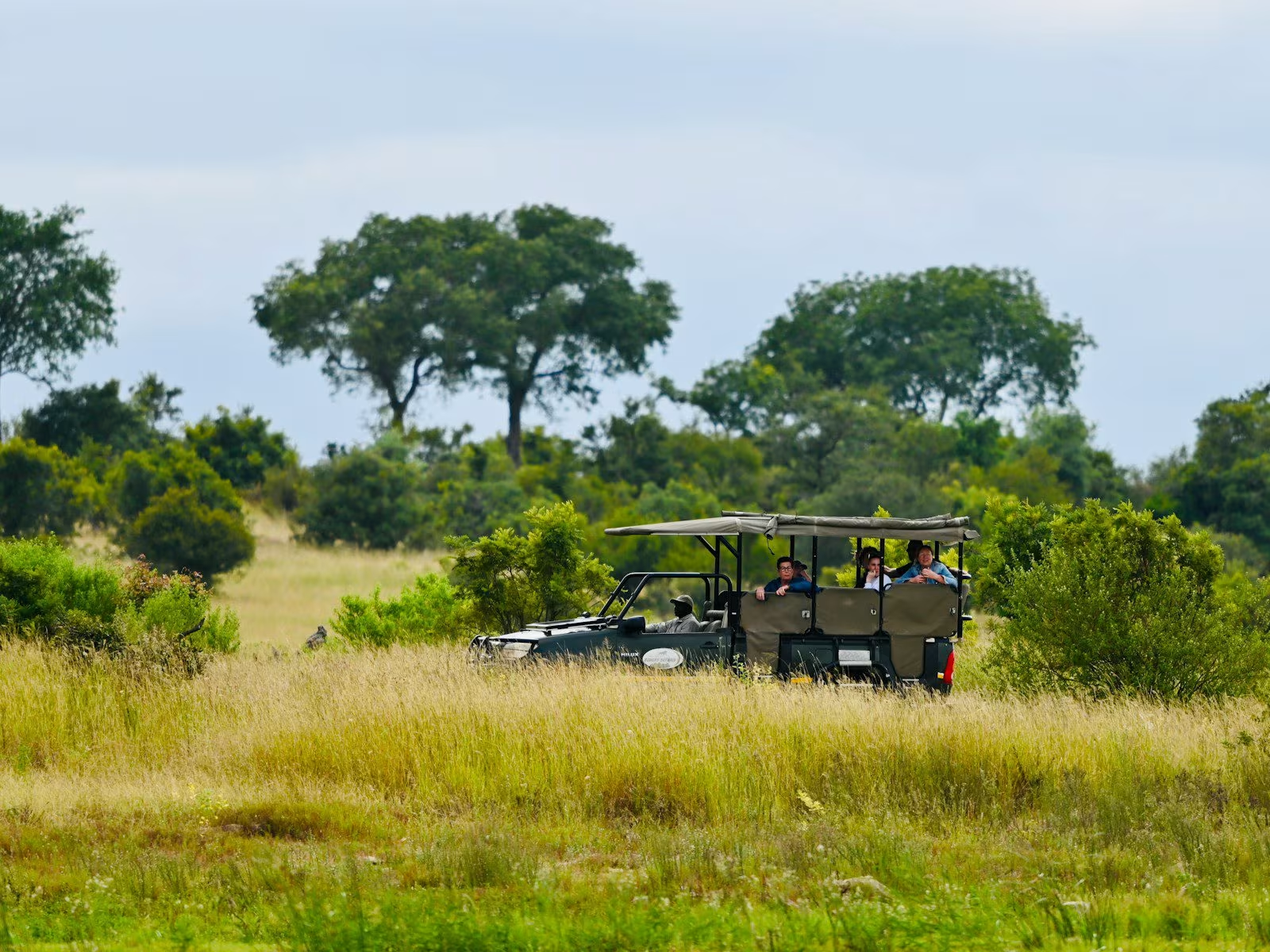
Before choosing a specific itinerary, answer four questions honestly:
- How much real time do I have, after subtracting driving days?
- What's the one experience I'd be disappointed to miss: gorillas, big game, remoteness, culture?
- How physically ready am I, on an honest day, not a good one?
- Who am I traveling with, and what does that change about pace?
Those four answers narrow Uganda's options fast, and they're the same questions a good travel designer should be asking you first, not the other way around.
Not sure how your answers translate into an actual itinerary? Tell us what you're after and we'll help you shape it. No pressure, no obligation.