Pick Your Destination
Uganda's parks and regions each reward a different kind of safari. Tell yourself what you actually want to do, and the right destination becomes obvious.
Uganda Destinations
Find the Place That Speaks to Your Soul
Uganda packs misty gorilla forests, open savannah, crater lakes, and living culture into one country smaller than the UK. Below, every destination is grouped by what you would actually go there to do, so you can match the place to the safari you want rather than guessing from a map.
Not sure where to start?
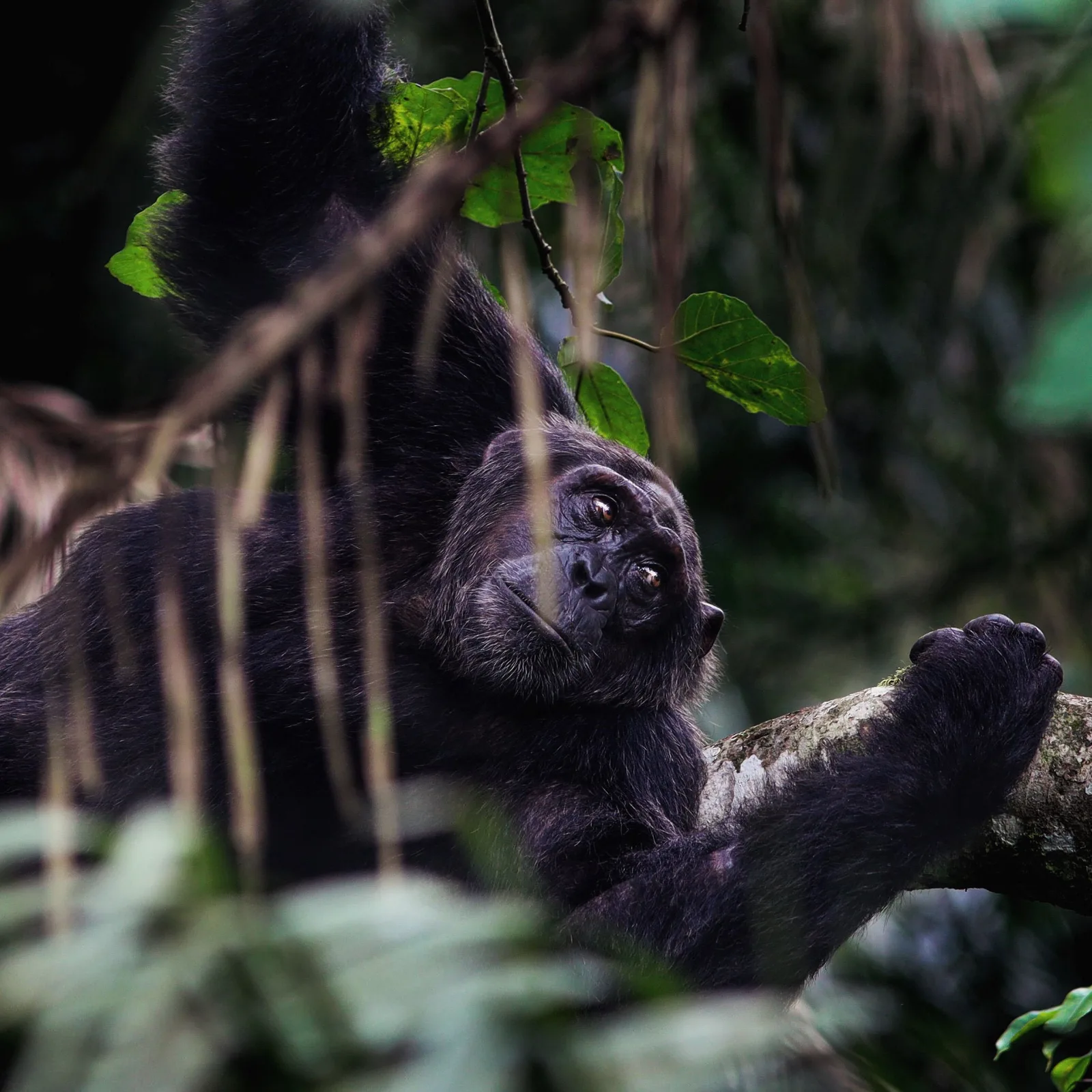
- Gorilla & Primate: Budongo Forest Reserve
- Big Game & Savannah: Murchison Falls National Park, Lake Mburo National Park, Kidepo Valley National Park
Gorilla & Primate Destinations
Best for: Gorilla trekking, chimpanzee tracking, photography, quiet forest walks
Big Game & Savannah Destinations
Best for: Lions, elephants, buffalo, classic game drives, first-time safari travelers
Murchison Falls National Park
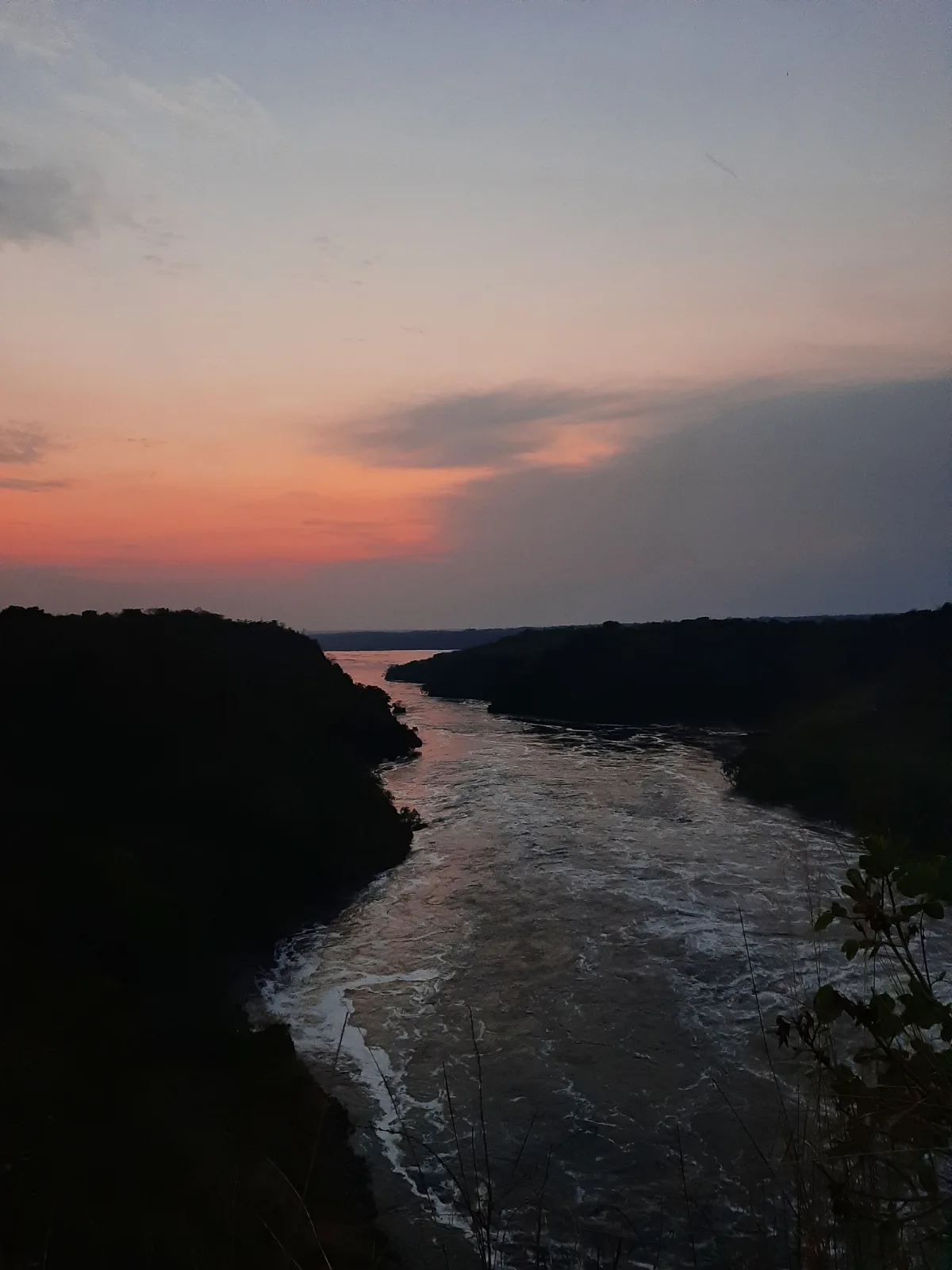
Murchison Falls National Park is Uganda's largest and oldest national park, centered on the Nile River as it forces its way through a narrow, 7-meter-wide gorge to form the world's most powerful waterfall: Murchison Falls. The Victoria Nile bisects the park into two distinct ecosystems: the open, game-rich northern savanna and the dense southern tropical woodlands. President Idi Amin temporarily renamed it Kabalega National Park in honor of King Kabalega of the Bunyoro Kingdom before it was reverted to Murchison Falls. While four of the "Big Five" (elephants, lions, leopards, and buffaloes) can be seen in the park, the rhinos are not here and can instead be tracked on foot at the Ziwa Rhino Sanctuary, south of the park. In addition, the southern edge of Murchison Falls National Park encompasses Budongo Forest, which protects a large community of habituated chimpanzees and extensive mahogany trees.
Lake Mburo National Park
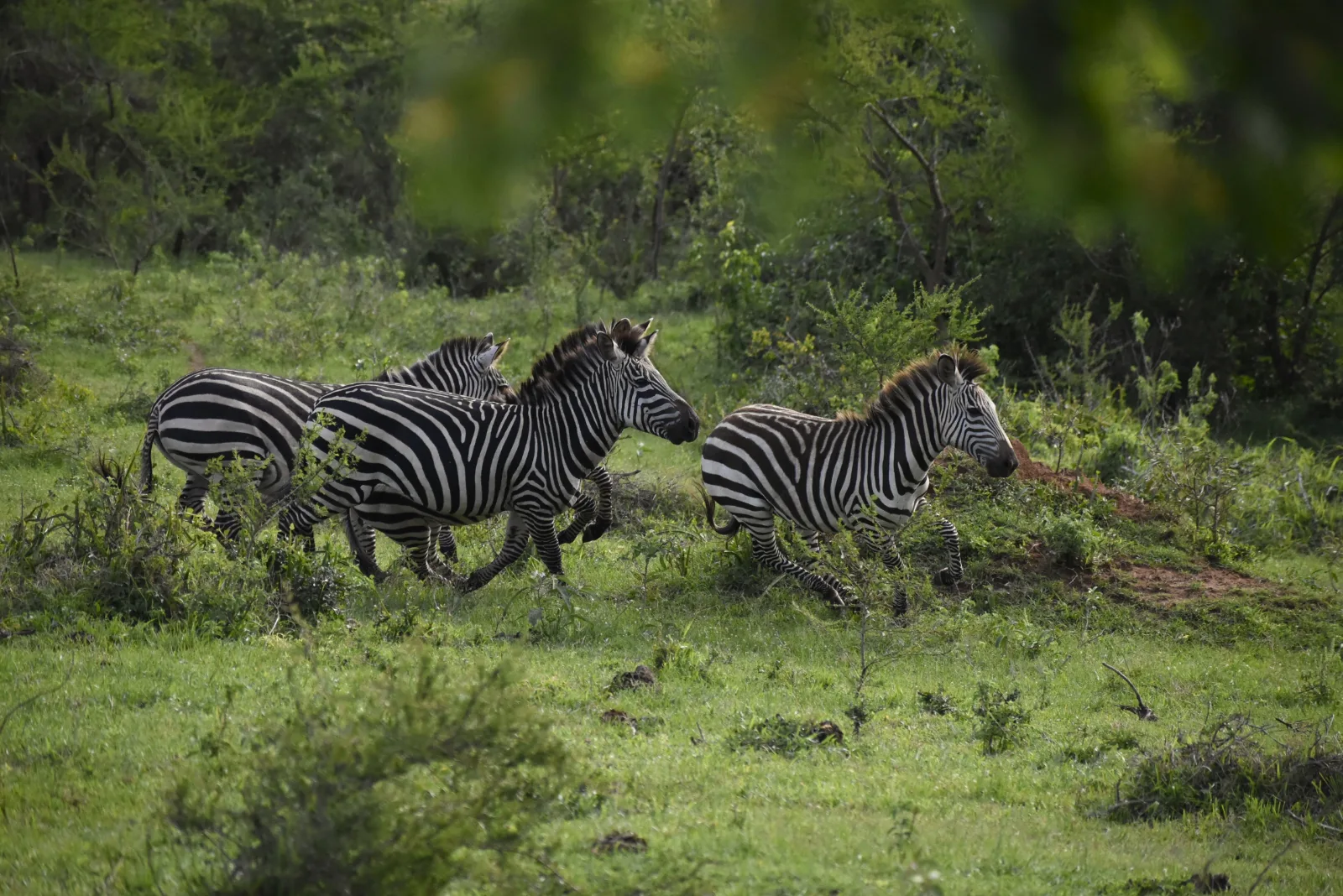
If you're used to parks being big, Lake Mburo will change your perspective on a wildlife sanctuary. At just 370 square kilometers (about 1.5 times larger than Kampala capital city in surface area), Uganda’s smallest savannah park has extreme ecological density, with acacia woodland and open grassland surrounding five distinct lakes, the largest of which, Lake Mburo itself, gives the park its name and its boat safaris. The absence of elephants here allows thick acacia forests to thrive, creating a woodland dynamic that feels more like a secluded maze of greenery than an open plains wilderness. Lake Mburo National Park is not just Uganda's smallest savannah park, but it's also the closest one to Kampala, reached in roughly 3.5 to 4 hours by road, which makes it the country's go-to stop for travelers short on time or breaking up the long drive southwest to Bwindi. Because dense acacia woodlands grow unchecked here due to lack of elephants, it creates an ideal, low-competition ecosystem for Uganda’s highest concentration of leopards. The park's 1983 creation under the Obote regime weaponized conservation to evict indigenous Banyankole Bahima pastoralists, triggering a violent 1985 local uprising that completely dismantled the early park infrastructure.
Kidepo Valley National Park
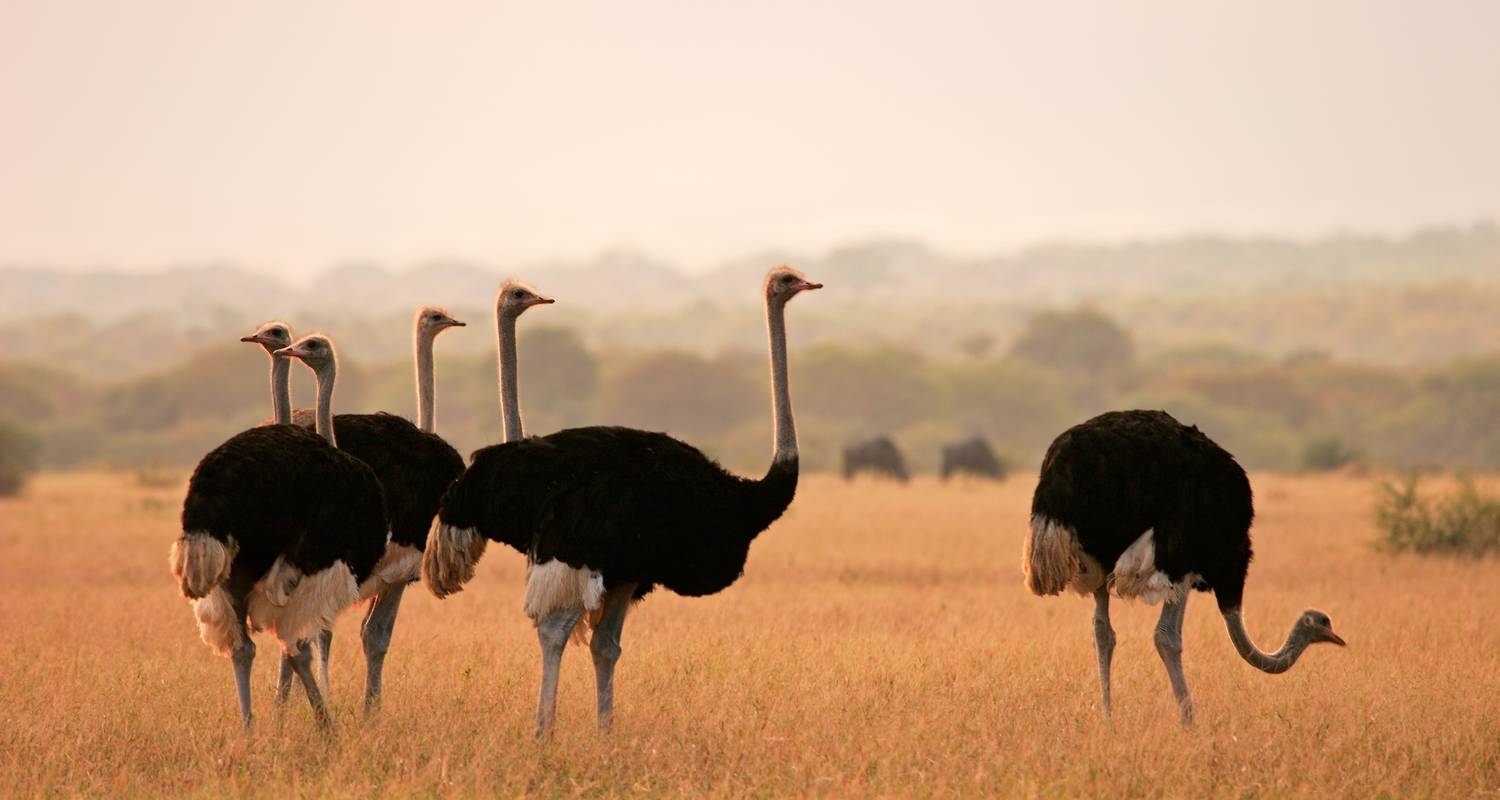
Kidepo Valley National Park is Uganda’s most remote and beautiful savanna wilderness, spanning 1,442 square kilometers in the extreme northeastern Karamoja region. Bordering South Sudan and Kenya, the park features a dramatic landscape dominated by the Narus and Kidepo valleys, flanked by the soaring Mount Morungole and rugged mountain ranges. Because it is isolated, it receives a fraction of the tourists found in western Uganda, providing an exclusive, untamed safari atmosphere reminiscent of Africa fifty years ago. The park protects a diverse ecosystem of montane forests and semi-arid savanna grasslands. It is home to 86 mammal species and over 460 bird species, including many found nowhere else in the country.
Why We Also Point You Toward the Quieter Parks
Most first-time visitors book the same three or four parks, which means permits sell out early there while places like Kidepo Valley stay quiet all year with the same quality of wildlife. Spreading visits across more of Uganda keeps pressure off the busiest trails and puts tourism income into more communities, not just the ones next to the best-known gates.