
When to Go: Choosing Your Uganda Safari Season
Uganda is a year-round safari destination; there's no single wrong time to go, but each season trades off differently between weather, wildlife visibility, and how many other travelers you'll share the trail with. Here's the general shape of the year, and a month-by-month guide below for the specifics.
Dry Season vs. Wet Season, in Short
Dry seasons (roughly June–August and December–February) bring firmer trails, easier gorilla and chimpanzee trekking, and the best game-drive visibility as animals gather near remaining water sources, but also the busiest permit demand and the highest lodge rates.
Wet seasons (roughly March–May and September–November) bring lush scenery, fewer other travelers, and lower rates. Trekking is muddier and more physically demanding, and some remote roads slow down, but wildlife doesn't disappear and birding is often at its best.
Neither season is the "right" one. It depends on what you're optimizing for: easier trekking and peak wildlife visibility, or fewer crowds and better value.
A few things hold true no matter which season you pick. Gorilla trekking runs year-round in both Bwindi and Mgahinga, since permits are not seasonal. Birding peaks from November through April, when migratory species join Uganda's residents. Photographers chasing the clearest light tend to prefer May through October.
Dry Season and Green Season, Side by Side
Dry Season (June - August, December - February)
Trails firm up and animals gather close to the remaining water sources, which is why this is the busiest stretch of the year for gorilla trekking and classic game drives.
What works in your favor:
- Clear visibility for wildlife and photography
- Dry roads, including the rougher tracks into Kidepo Valley
- Predictable weather for a tightly planned itinerary
What to plan around:
- Gorilla permits can sell out 4 to 6 months ahead in July and August
- Lodge rates run highest of the year, especially in Bwindi
- Popular viewpoints and trailheads see more vehicles
Best for first-time visitors, photographers who want reliable light, and families who need predictable conditions over a short safari.
Green Season (March - May, September - November)
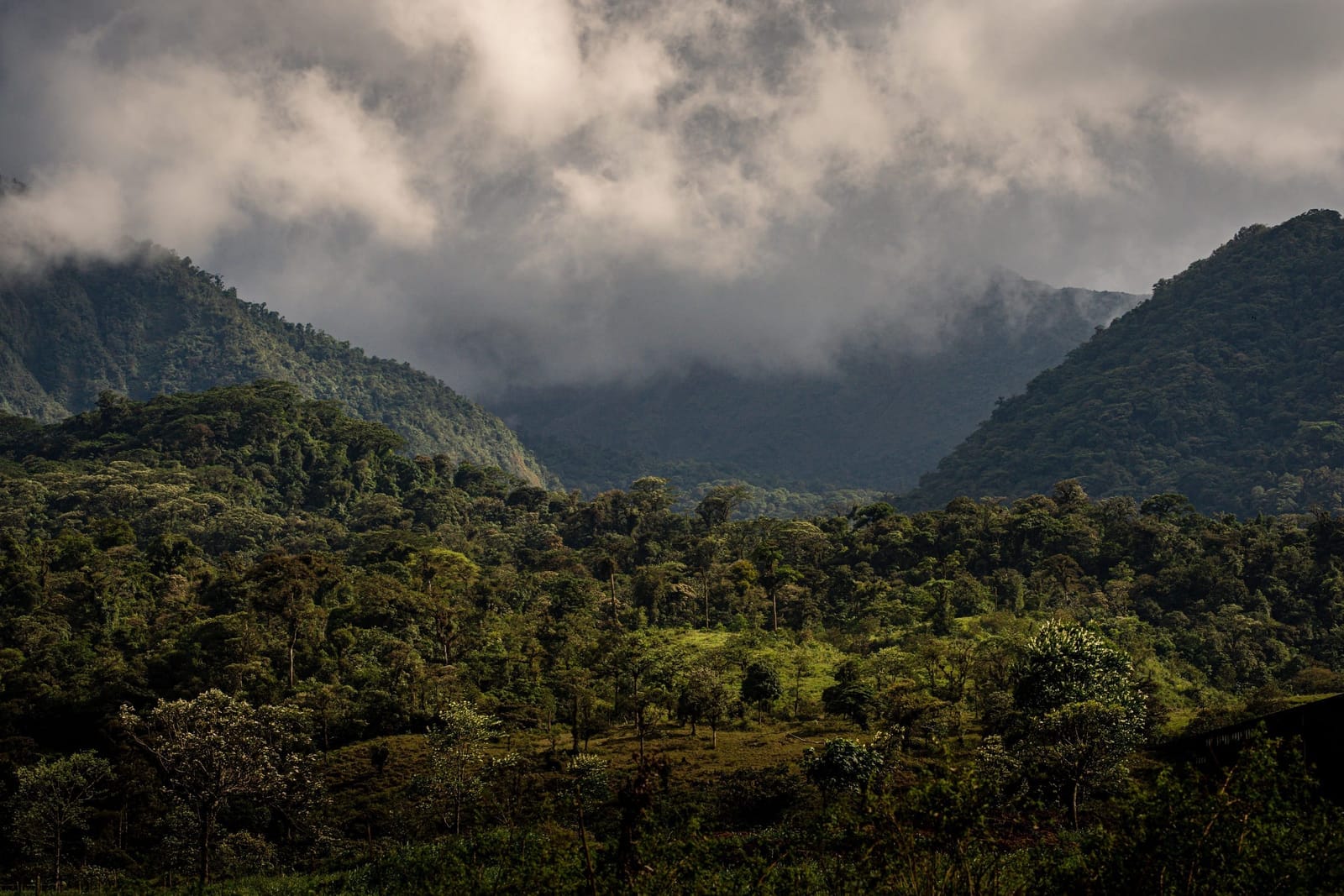
Rain falls most afternoons, not all day, and the parks turn a deep green that photographs well in its own right. Newborn antelope and warthogs show up through April and May.
What works in your favor:
- Lodge rates typically 10 to 30 percent lower
- Shorter lead time for gorilla and chimpanzee permits
- Strong birding, including migrants passing through Queen Elizabeth National Park and Kibale
What to plan around:
- Some remote roads slow down or close briefly after heavy rain
- Trekking is muddier and more physically demanding
- A few camps close for maintenance in April and November
Best for repeat visitors, birders, and travelers who would rather pay less and share the trail with fewer people.
Dry Season vs. Green Season at a Glance
| Dry Season | Green Season |
|---|---|
| Wildlife viewing: excellent, animals stay close to water | Good, animals range further across the park |
| Birding: steady | Excellent, migrants arrive from November to April |
| Photography light: strong, clear skies most days | Dramatic cloud cover, saturated greens |
| Weather: sunny, low rainfall | Afternoon showers, clear mornings |
| Permits and lodges: book 4 to 6 months ahead | Often available with a few weeks' notice |
| Typical pricing: highest of the year | 10 to 30 percent lower at the same lodges |
| Road conditions: firm, most tracks passable | Some remote tracks get muddy after heavy rain |
Which Season Fits You
Wildlife-first travelers
June through August or December through February. Animals concentrate near water, so you see more in less time.
Birders
March through May or September through November. Migratory species overlap with Uganda's residents, and the numbers peak from November to April.
Photographers
Dry months for clear skies and strong directional light. Green months for saturated color and dramatic skies, a different but equally strong look.
Budget-conscious travelers
March through May or September through November. The same lodges often drop their rates by 10 to 30 percent.
Families with young children
June through August or December through February. Firmer roads and more predictable weather make for an easier safari with less buffer time needed.
Why We Mention the Quieter Months Too
Most travelers default to July and August, which means permits sell out early and the most popular trailheads get crowded at exactly the same time every year. Spreading visits across more of the year keeps pressure off the parks and off the small number of gorilla and chimpanzee permits issued each day. It also tends to work out better for you: shorter waits, more lodge availability, and a lower bill for the same safari.
Not sure which month fits your plans?
Tell us your rough timing and priorities, and we'll help you land on dates that balance weather, permits and your budget.
No obligation, tell us your rough dates and we match them to permits and weather.