
Uganda National Park
Kidepo Valley National Park
Local expert: Enoch, Huko Safaris
Last updated September 21, 2026
- Best Time to Visit
- September - March. Peak: Dec - Feb
- How Long to Stay
- 3 - 4 days
- Type
- national park
Kidepo Valley National Park is Uganda’s most remote and ruggedly beautiful savanna wilderness, spanning 1,442 square kilometers in the extreme northeastern Karamoja region. Bordering South Sudan and Kenya, the park features a dramatic landscape dominated by the Narus and Kidepo valleys, flanked by the soaring Mount Morungole and rugged mountain ranges. Because it is isolated, it receives a fraction of the tourists found in western Uganda, providing an exclusive, untamed safari atmosphere reminiscent of Africa fifty years ago. The park protects a diverse ecosystem of montane forests and semi-arid savanna grasslands. It is home to 86 mammal species and over 460 bird species, including many found nowhere else in the country.
Why Kidepo Valley National Park
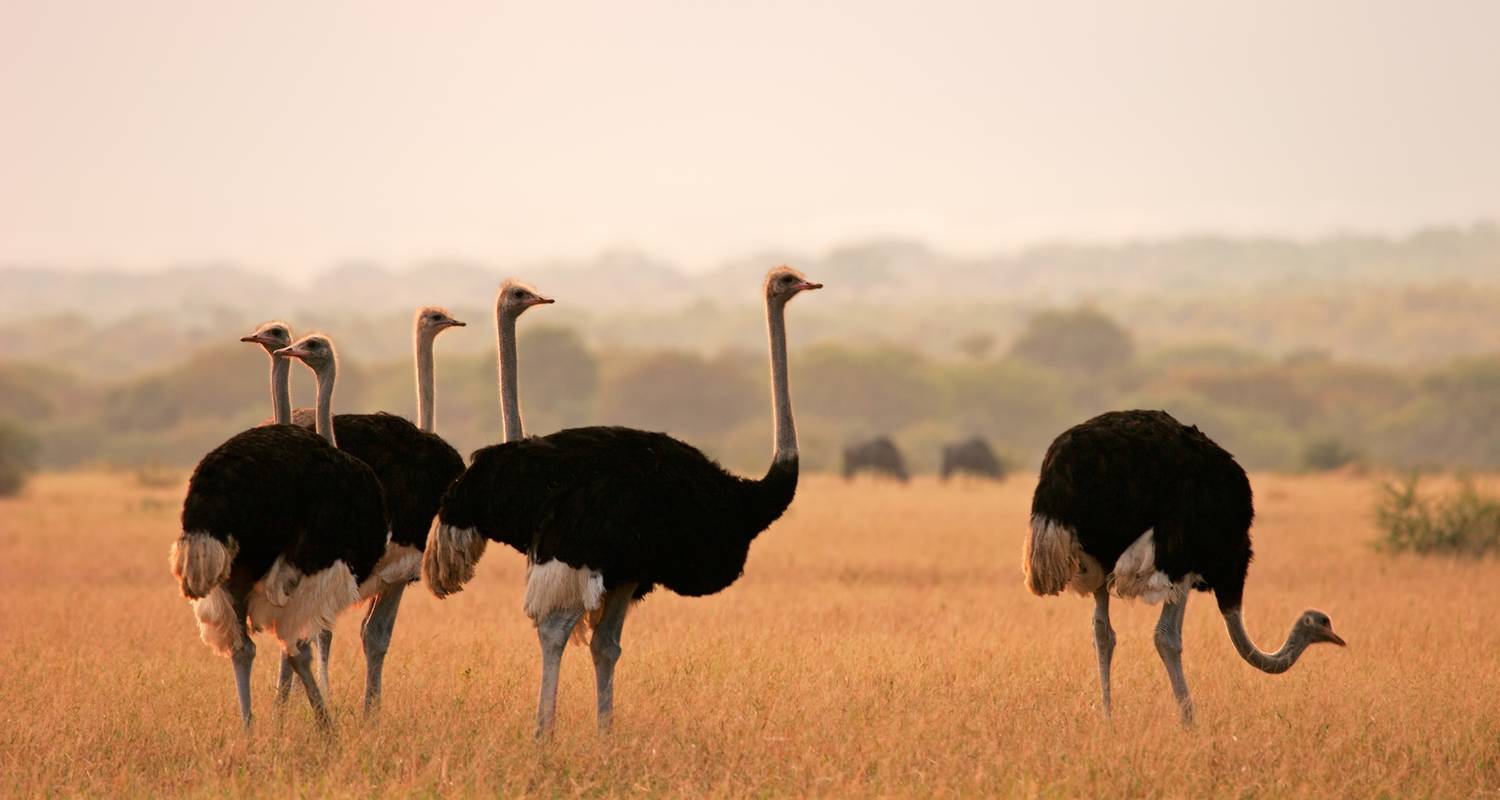
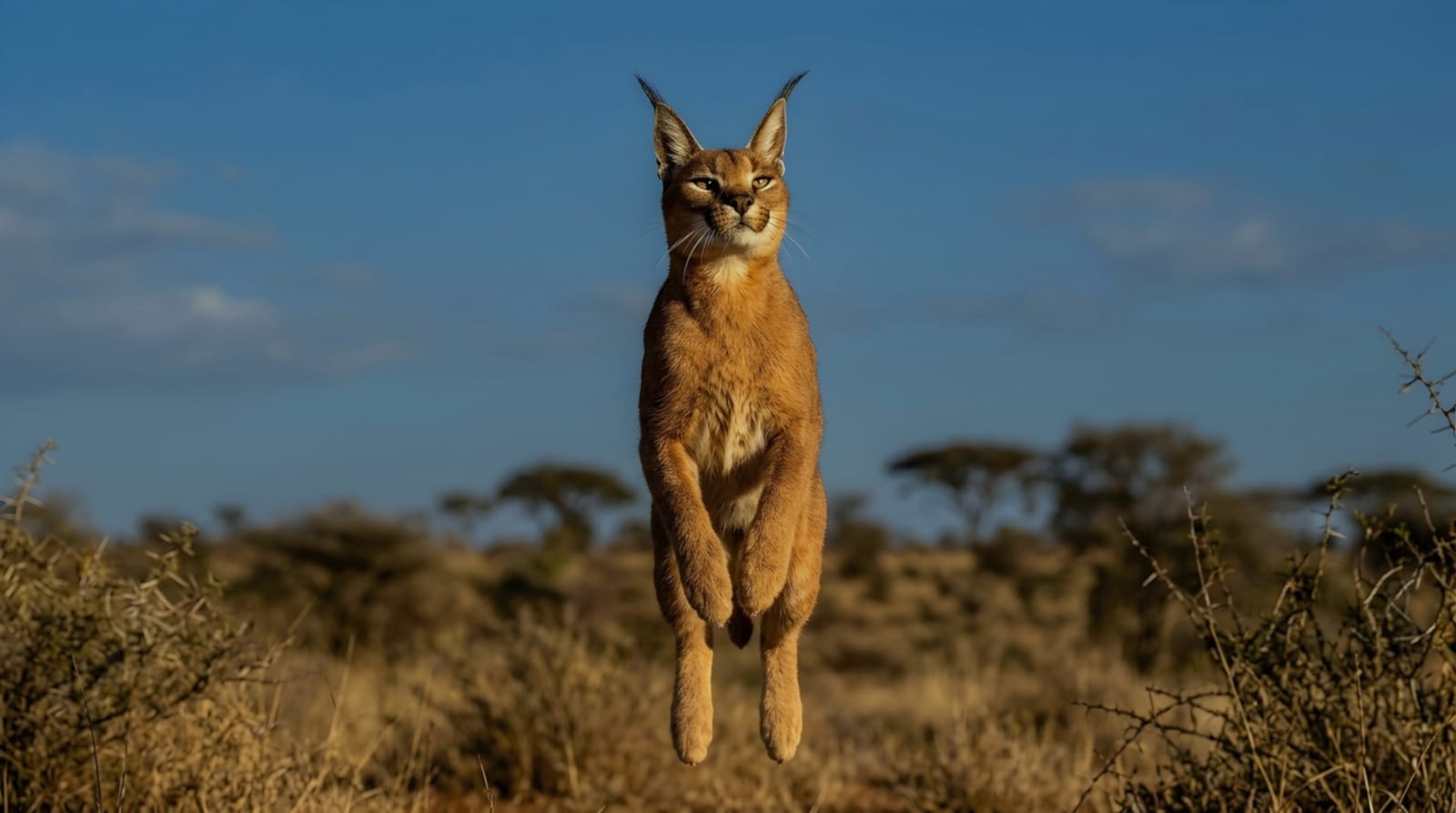
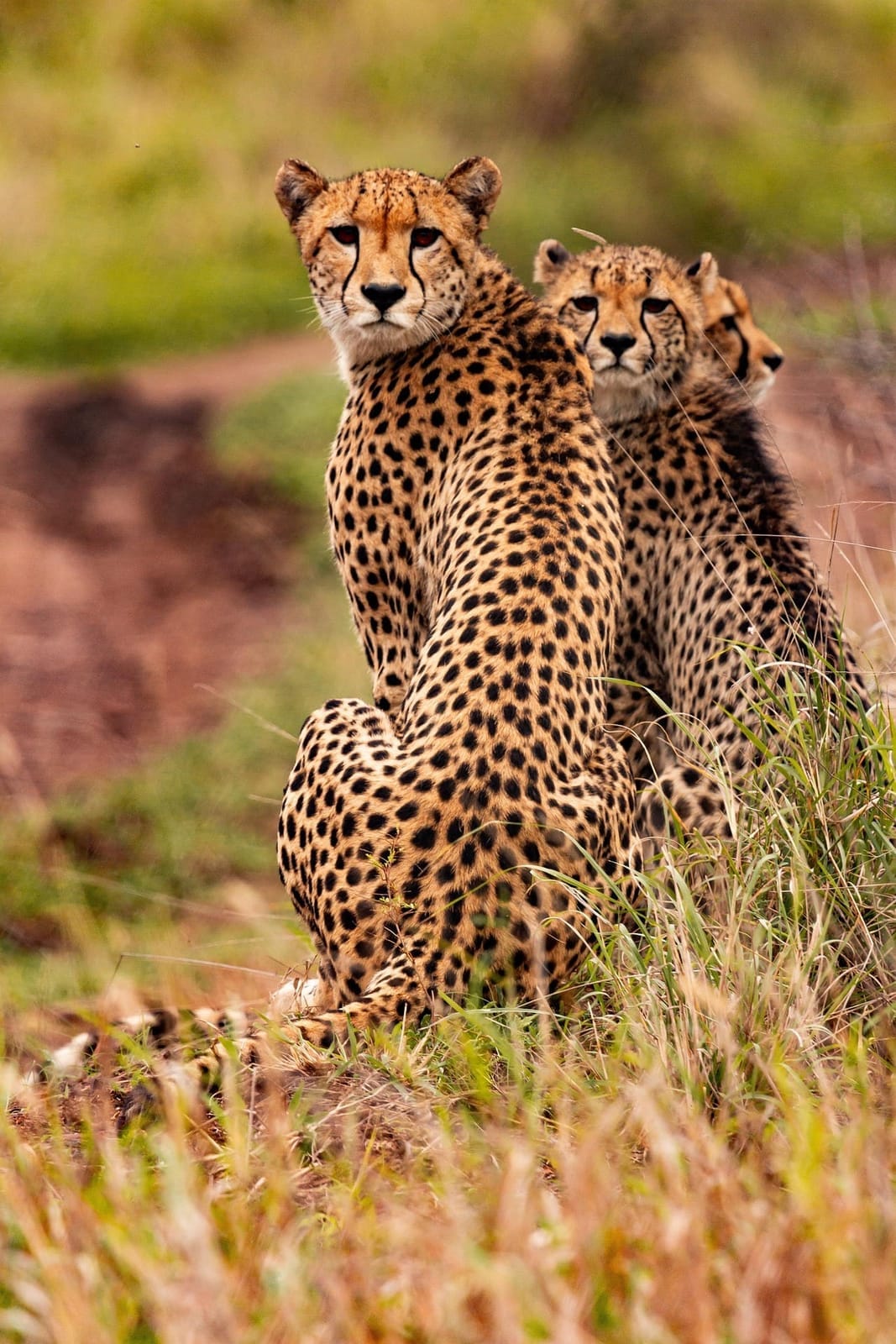
Choosing Kidepo Valley National Park over savanna alternatives like Queen Elizabeth National Park gives travelers complete exclusivity. In Queen Elizabeth, you share lion sightings with dozens of vehicles; in Kidepo, you will likely be the only vehicle in sight, surrounded by rarer species like cheetahs, ostriches, and caracal cats that cannot survive in the wetter western parks
From our team
Clients always ask if the long trip north is worth it. Our answer is a definitive yes. Kidepo offers a profound, untouched wilderness you won't find in Uganda’s western parks, featuring endemic species like cheetahs and ostriches without any of the tourist crowds. Our insider tip: We highly recommend booking a domestic flight straight there; it bypasses the long drive and drops you directly into one of Africa's most exclusive, private wildlife spectacles.
— Enoch, Huko Safaris
Planning Your Visit
- Best Time to Visit
- September to March, with the prime window of the dry season from December to February, when wildlife congregates heavily around the permanent water sources of the Narus Valley.
- How Long to Stay
- 3 to 4 days are highly recommended due to the long travel distance. This allows ample time to explore both valleys without rushing
- What It's Known For
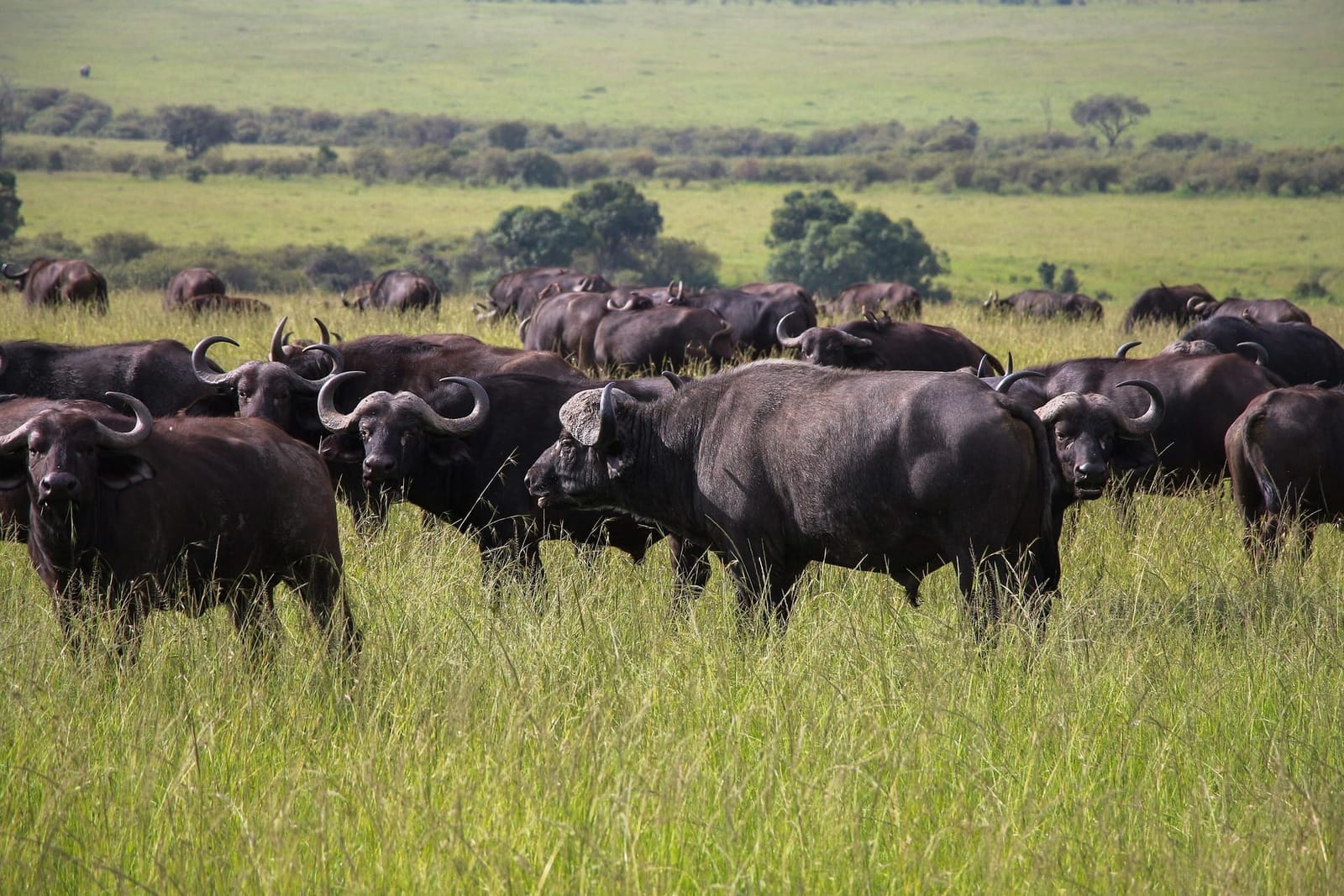
- Kidepo is renowned for its spectacular, crowd-free landscapes and harboring Uganda's unique wilderness predators, including the largest single herds of African Cape buffalo on the continent
- Major Attractions
- Key highlights include the wildlife-rich Narus Valley, the seasonally dry Kidepo Sand River flanked by Borassus palm forests, and the soothing Kanangorok Hot Springs along the South Sudan border
- Don't Miss This
- A morning game drive in the Narus Valley followed by an authentic cultural hike to meet the remote Ik people on Mount Morungole
- Safety for Tourists
- Kidepo is exceptionally safe for international travelers. The historical security challenges of the Karamoja region were fully resolved decades ago, and the park is strictly monitored by the Uganda Wildlife Authority rangers.
- Accommodation to Expect
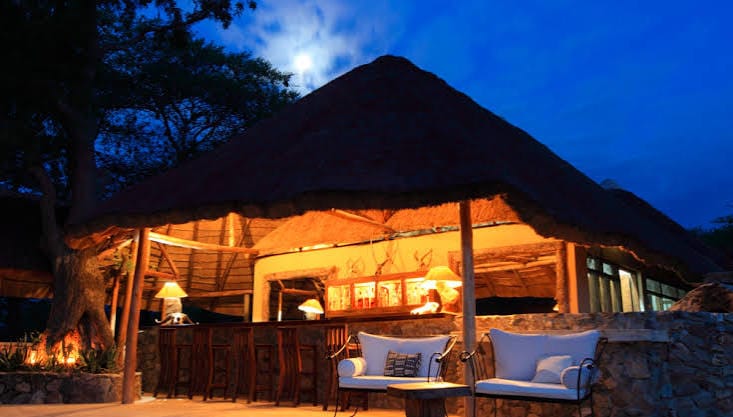
- Accommodations range from high-end luxury lodges to comfortable mid-range safari tents, budget camps, and self-catering UWA banda options
Gallery
Things to Do at Kidepo Valley National Park
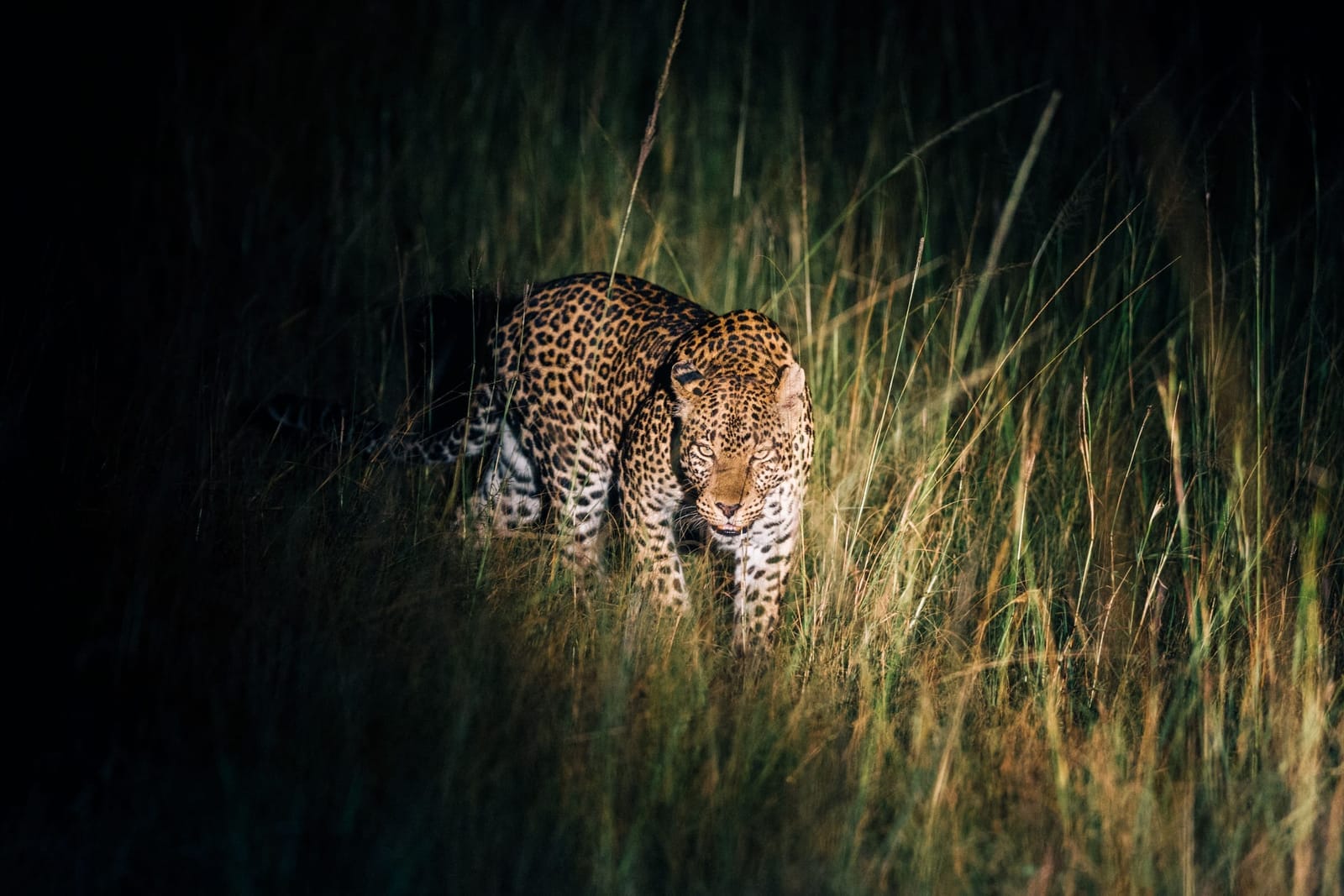
Night Game Drive
Venture into the savanna after dark with high-powered spotlights to discover elusive nocturnal predators on the hunt.
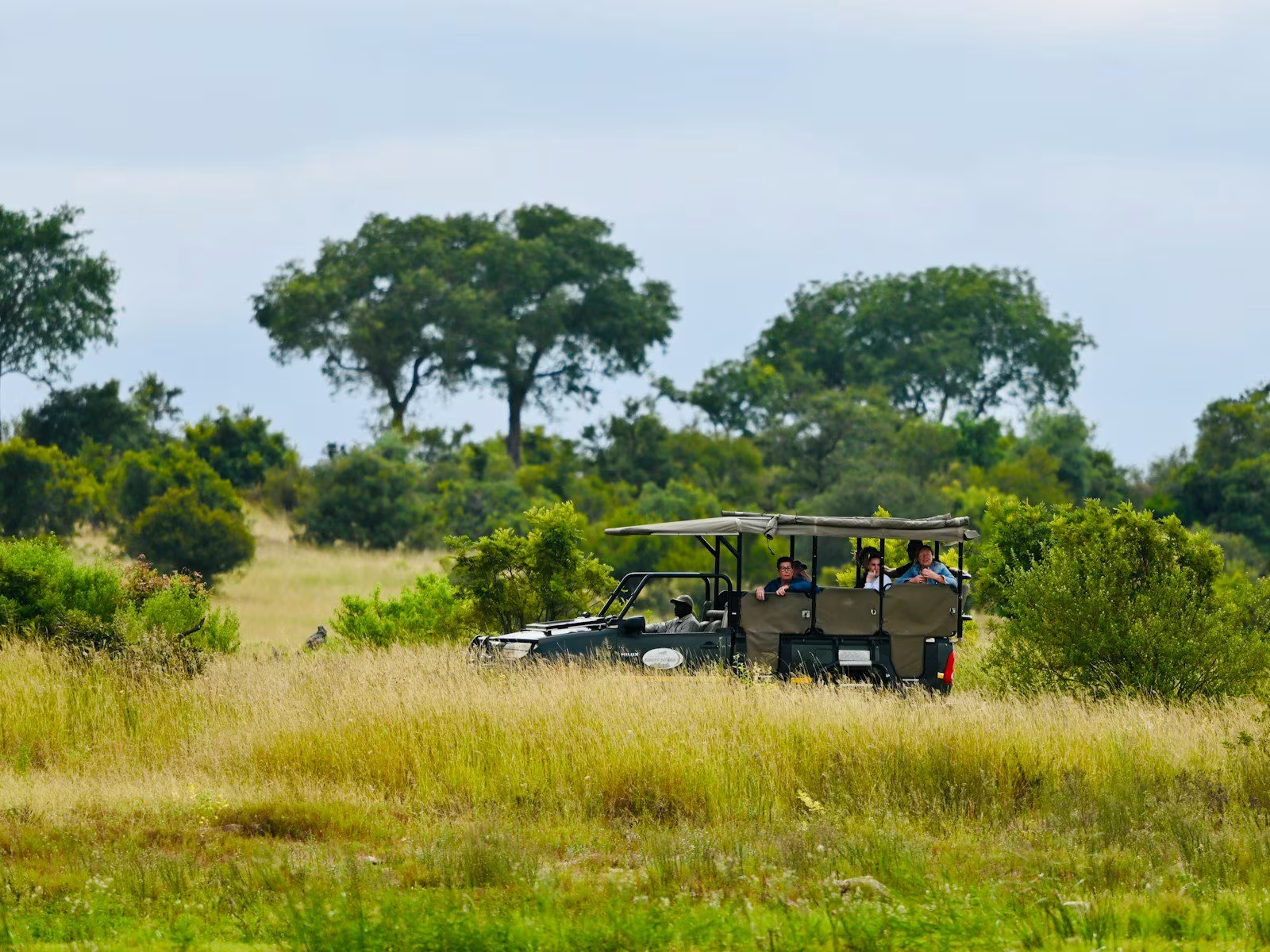
Game Drive Safari
Explore East Africa’s vast savanna landscapes in a custom-built vehicle to spot big game with expert local trackers
Cultural Community Experiences
A general category of community-based cultural visits across Uganda, from homestead stays to craft demonstrations, each arranged with the specific community involved.
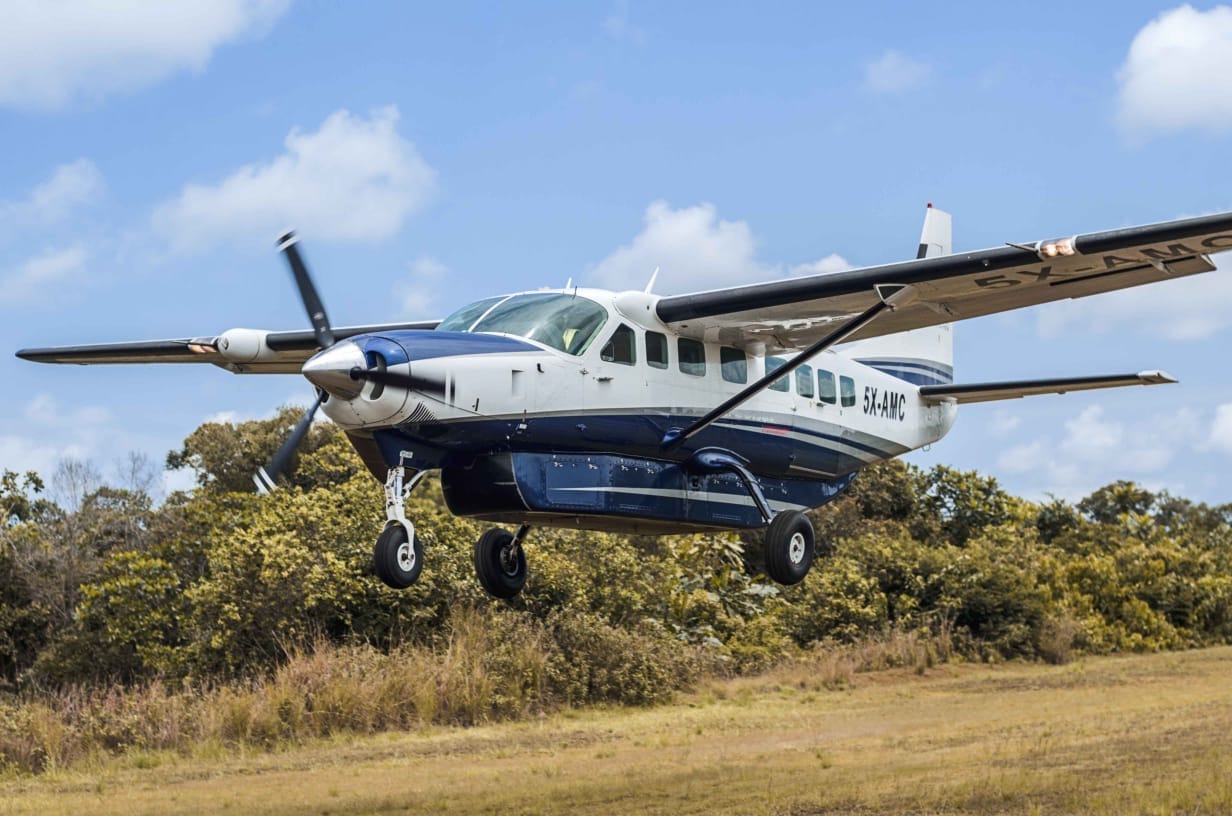
Fly-in Safari
Skip the long dusty roads by boarding a light aircraft directly to remote airstrips inside Uganda's wilderness areas.
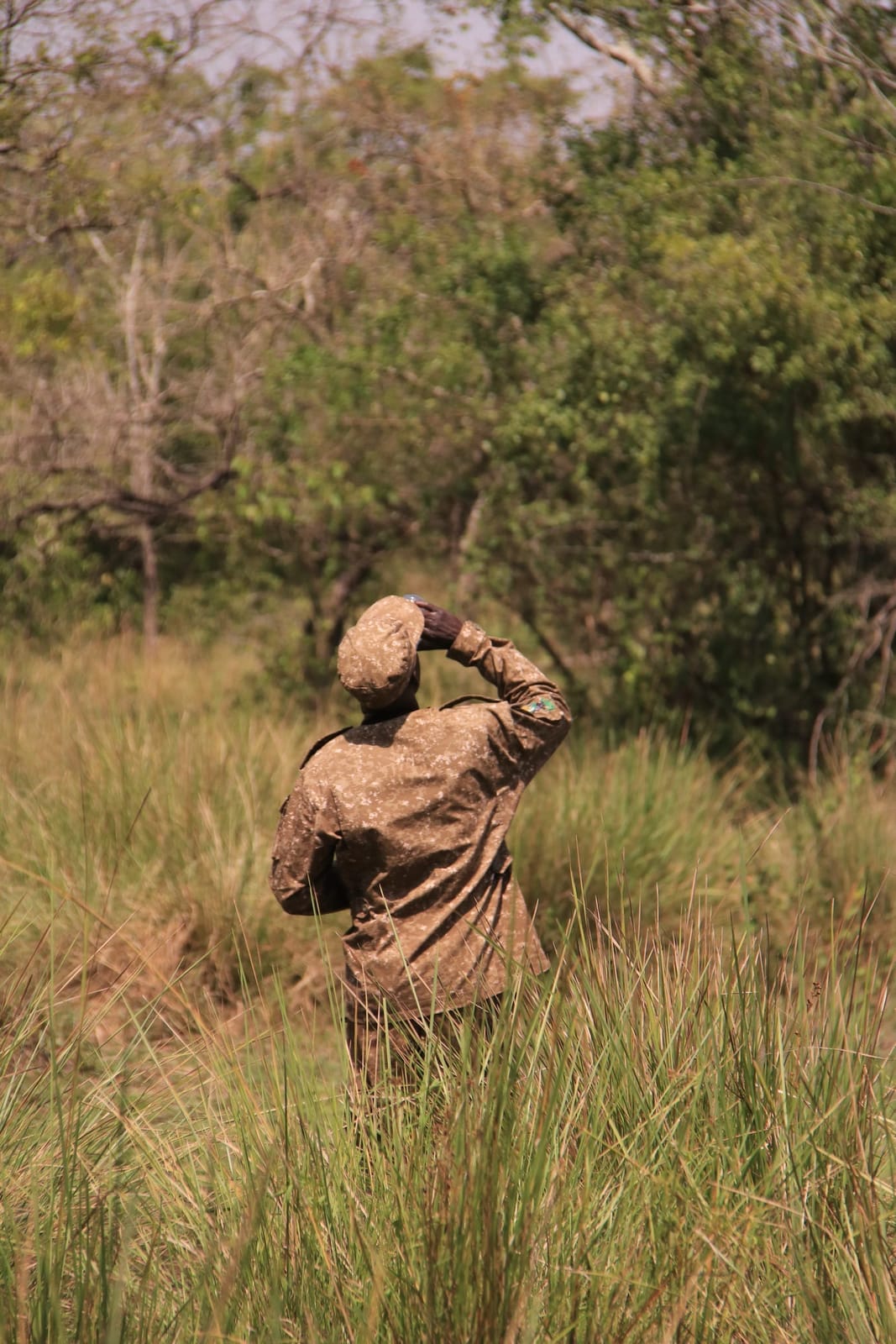
Walking Safari
Step off the safari vehicle to explore the African bush on foot, tracking wildlife through footprints and subtle wilderness clues.
Birdwatching Safaris
Guided birdwatching across Uganda's forests, wetlands, and savannah, home to over 1,060 recorded bird species, more than any country in Africa its size.
Where to Stay
Wildlife at Kidepo Valley National Park
Leopard
See Leopard at Kidepo Valley National Park →African Bush Elephants
See African Bush Elephants at Kidepo Valley National Park →Common Ostrich
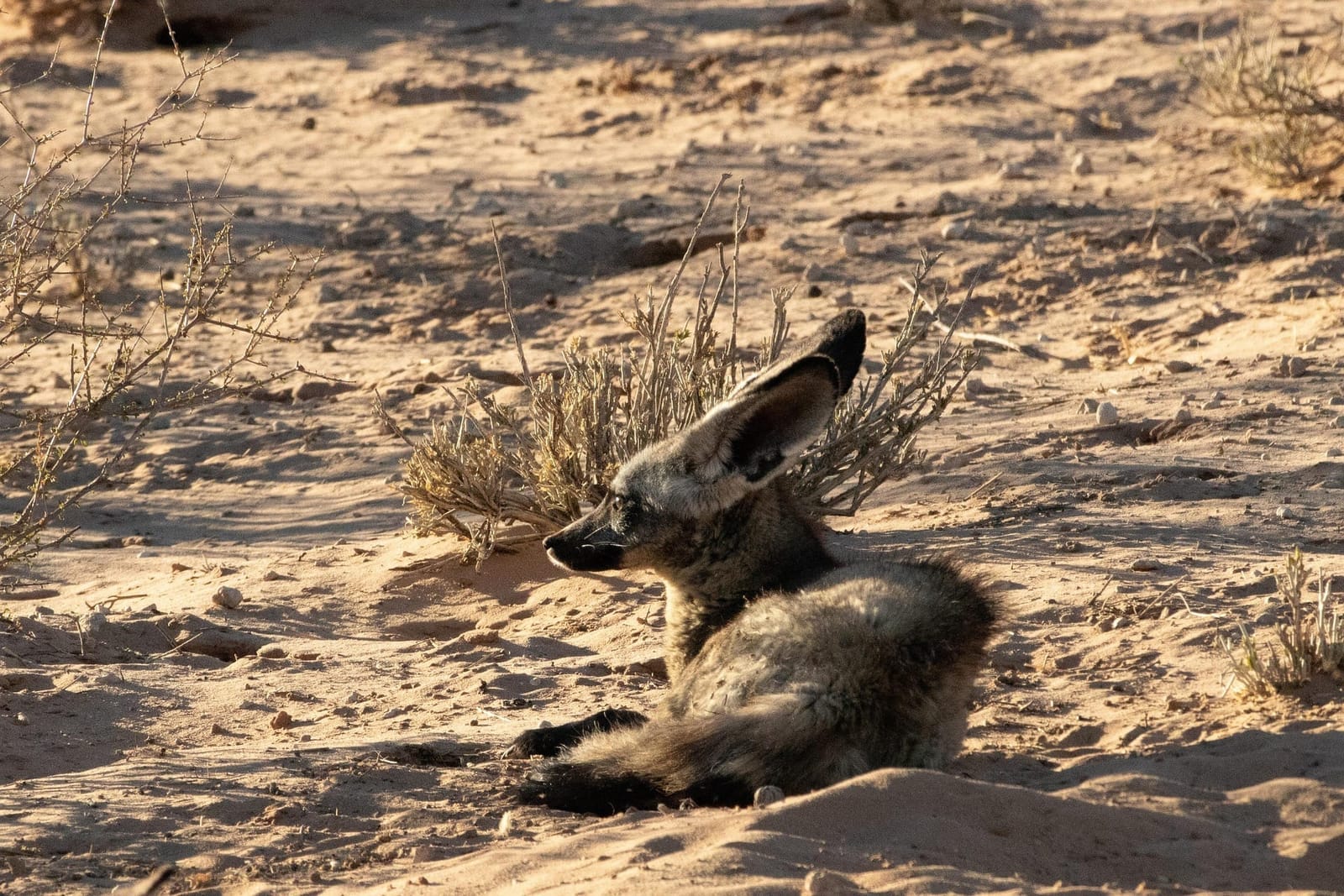
See Common Ostrich at Kidepo Valley National Park →Bat-eared Fox
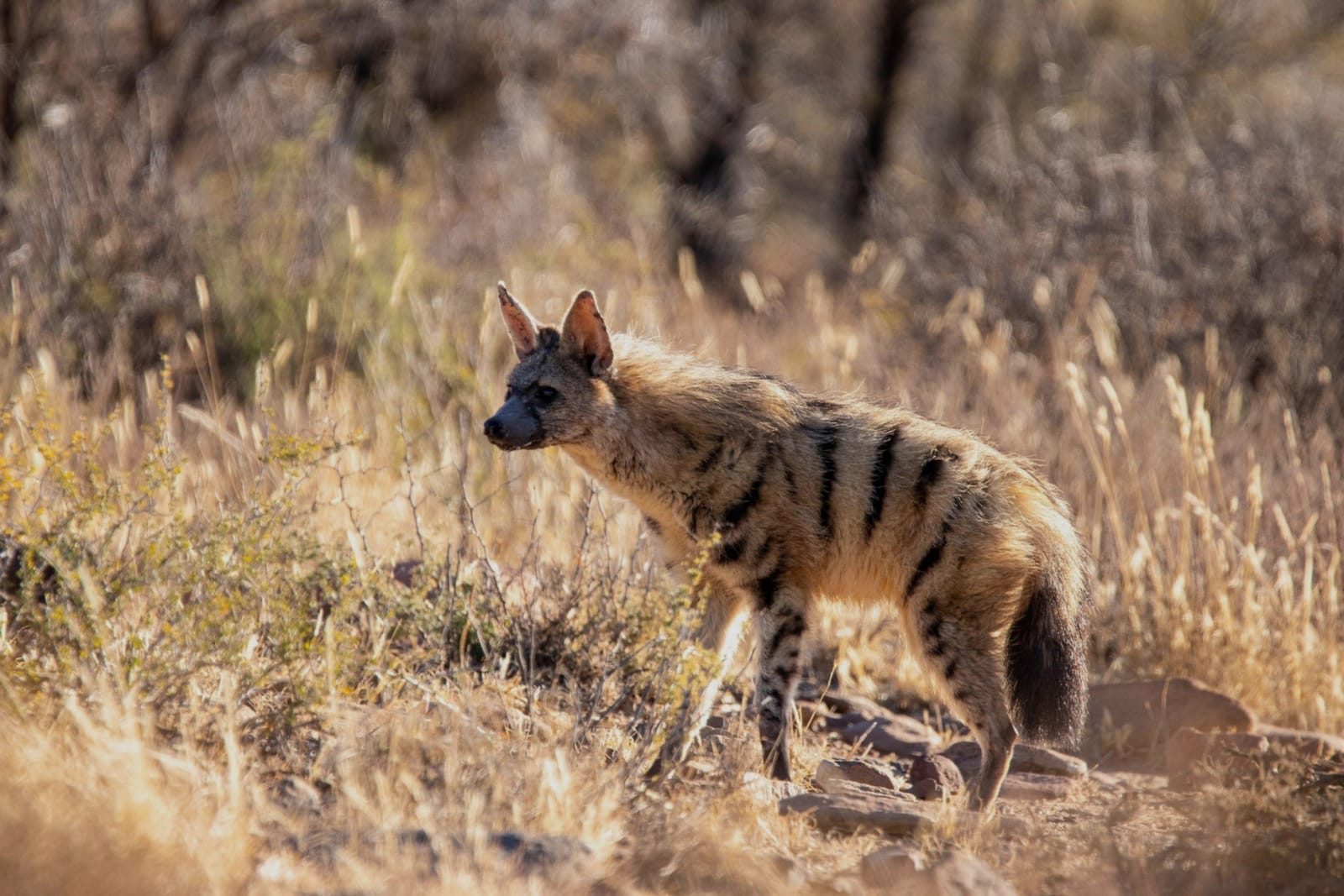
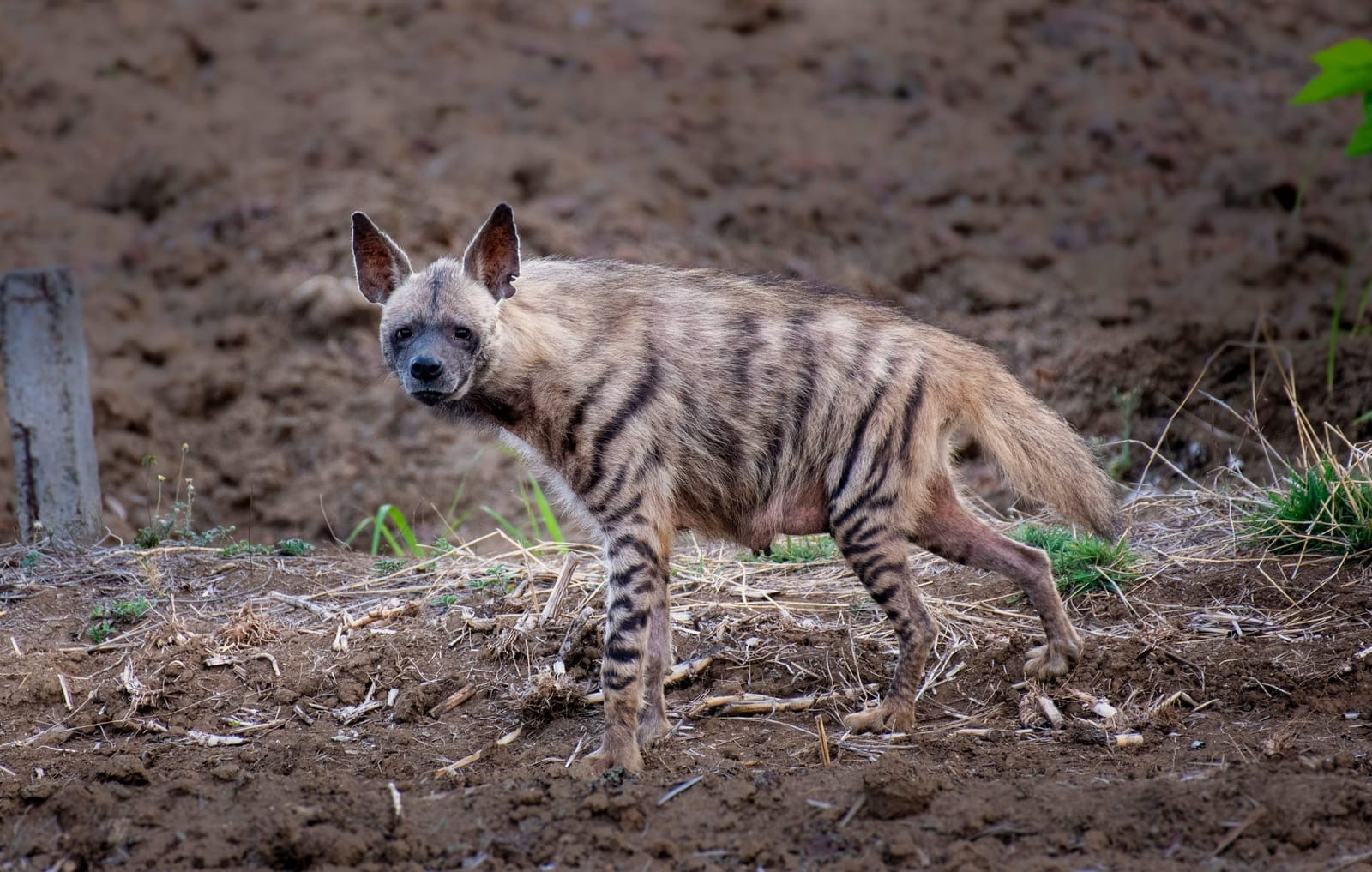
See Bat-eared Fox at Kidepo Valley National Park →Striped Hyena
See Striped Hyena at Kidepo Valley National Park →Rothschild's Giraffe
See Rothschild's Giraffe at Kidepo Valley National Park →Cheetah
See Cheetah at Kidepo Valley National Park →Caracal
See Caracal at Kidepo Valley National Park →Aardwolf
See Aardwolf at Kidepo Valley National Park →African Lion
See African Lion at Kidepo Valley National Park →African Cape Buffalo
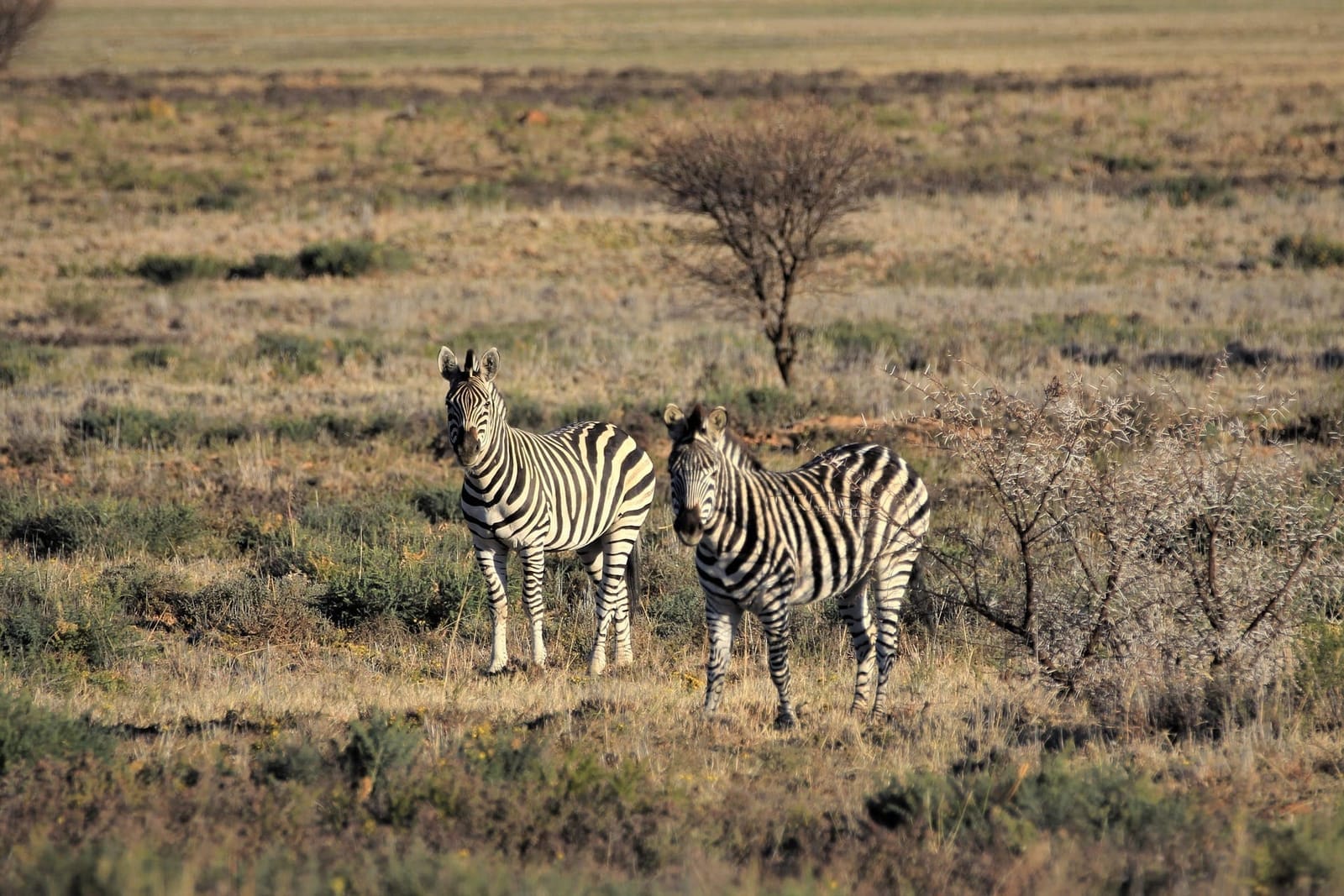
See African Cape Buffalo at Kidepo Valley National Park →Burchell's Zebra
See Burchell's Zebra at Kidepo Valley National Park →Safaris That Visit Kidepo Valley National Park
4-Day Ultra-Luxury Fly-In Kidepo Safari
Fly in by private charter, skip the 12-hour drive, and spend 4 days at Kidepo's only true luxury lodge.
From $7,000 per person
Frequently Asked Questions
How do you get to Kidepo Valley National Park?
The most efficient way is a scheduled domestic flight (approx. 1.5 hours) from Entebbe International Airport or Kajjansi to the Apoka Airstrip. Driving from Kampala takes roughly 10 to 12 hours via Gulu and Kitgum; it is a long, demanding drive best broken up with a stopover at the Ziwa Rhino Sanctuary.
Can you see the Big Five in Kidepo?
You can see four of the Big Five here: lions, leopards, elephants, and buffaloes. Rhinos are extinct in the park, though you can stop to track white rhinos at the Ziwa Rhino Sanctuary while driving to or from northern Uganda.
What should I pack specifically for Kidepo?
Because the park is semi-arid, temperatures routinely exceed 30°C (86°F). Pack lightweight, breathable neutral-colored clothing, high-SPF sunscreen, a wide-brimmed hat, insect repellent, and quality binoculars to appreciate the vast landscapes and distant predators.