
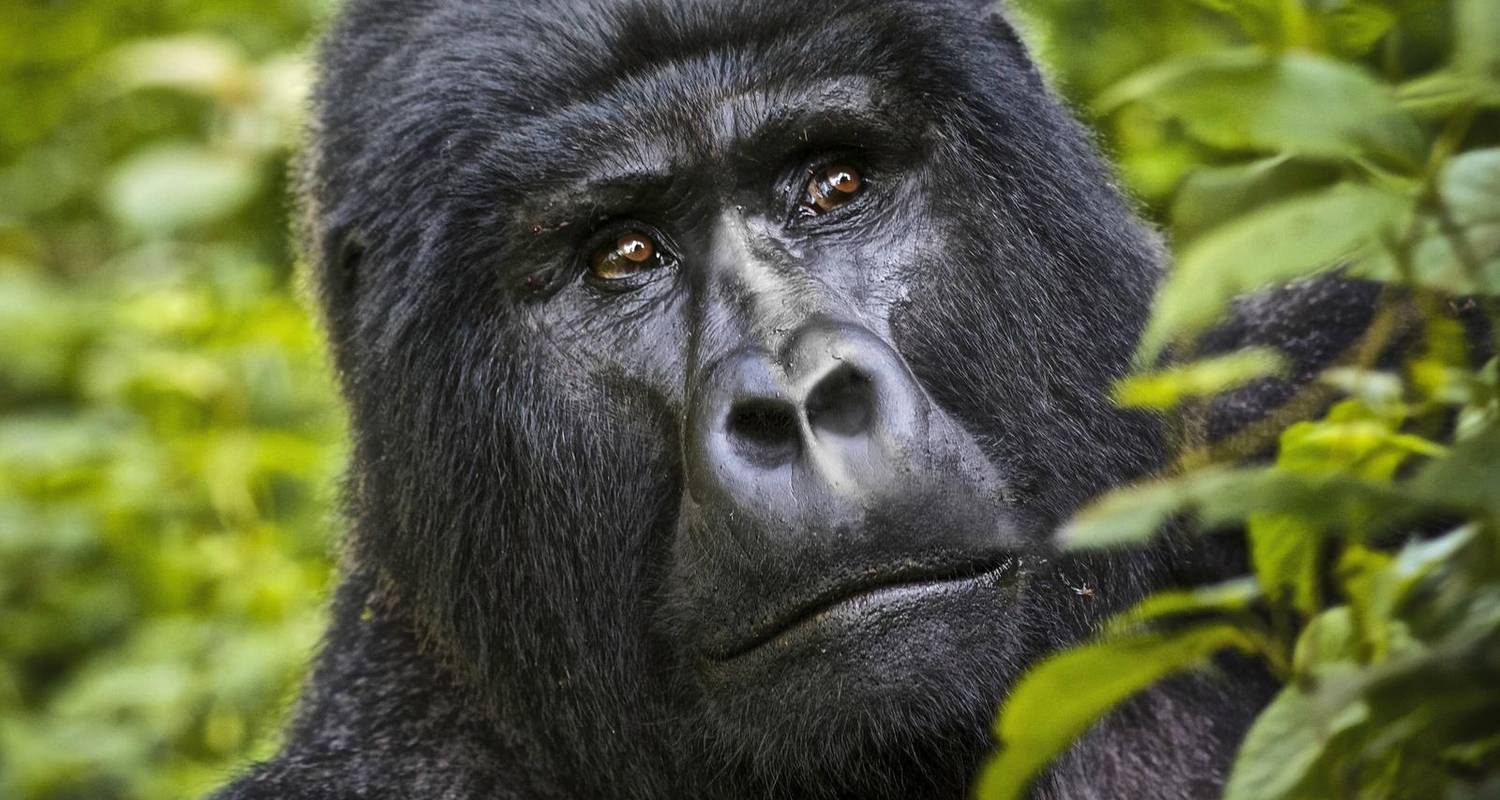
Berggorilla in Bwindi-Impenetrable-Nationalpark
- Sightings
- Allgemein
- Best Months
- Year-round
- Where
- Bwindi-Impenetrable-Nationalpark
- Safaris From
- 4.600 €
- Matching Packages
- 1
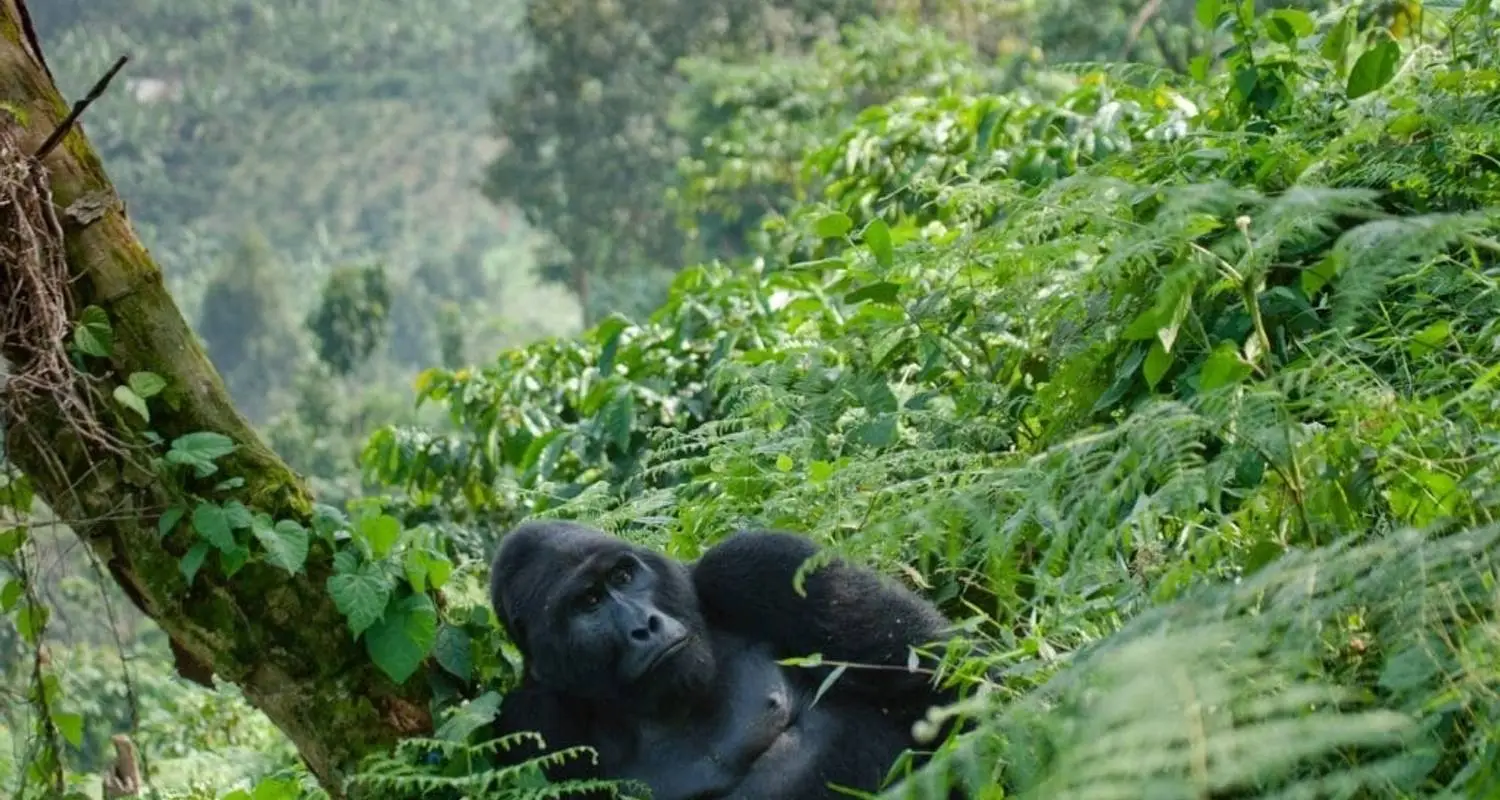
Nichts bereitet einen auf die schiere physische Präsenz eines Silberrückens vor, der nur sieben Meter entfernt sitzt. Die Wanderung durch den Bwindi Impenetrable Forest oder den Mgahinga-Nationalpark ist ein Erlebnis, das unter die Haut geht: Man klettert schlammige Bergrücken hinauf, bahnt sich einen Weg durch dichte Farne und lauscht dem rhythmischen Schwingen der Machete des Rangers, der den Weg freimacht. Wenn du sie schließlich findest, wird es im Wald still – bis auf das Geräusch zerreißender Blätter und schweres, menschenähnliches Grunzen. Du beobachtest kein Tier durch ein Teleobjektiv; du sitzt in ihrem Wohnzimmer und siehst zu, wie Mütter ihre Kleinen pflegen und Jugendliche an Lianen hinunterrutschen. Es ist eine intensive, von tiefer Stille geprägte Stunde des Augenkontakts, die deine Sicht auf die Natur völlig verändert.
Aus unseren Reiseführern
Bwindi holds roughly half of the world's mountain gorillas, split across four trekking sectors: Buhoma, Ruhija, Rushaga, and Nkuringo. Each sector tracks a different set of habituated families, so the climb, the altitude, and even the forest canopy change depending on which sector a trek starts from. Rushaga's Gorilla Habituation Experience is the one place in Bwindi to spend up to four hours with a family, well past the standard one-hour limit given everywhere else.
- What Bwindi-Impenetrable-Nationalpark Is Known For
Bwindi, a UNESCO World Heritage Site, holds roughly half of the world's remaining 1,000-plus mountain gorillas, spread across four trekking sectors: Buhoma, Ruhija, Rushaga, and Nkuringo. It is also one of Africa's richest birding forests, with more than 350 recorded species, over 20 of them Albertine Rift endemics.
- Best Time to Visit Bwindi-Impenetrable-Nationalpark
Best time to visit is considered the dry windows from June to September and December to February, as they offer firmer trails and lower humidity for optimal gorilla tracking comfort.
However, the rainy months, March to May and September to November, provide total exclusivity, fewer trekkers, lower lodge rates, and shorter treks as gorillas move to lower elevations for food, with the same one-hour gorilla viewing once a family is located.
Last updated October 22, 2026
· Written by Enoch, Huko Safaris
5.0Durchschnittliche Bewertung der Reisenden
Lokaler Experte: Enoch



Best Months to See Berggorilla in Uganda
Von unserem Team
Berggorilla
While Bwindi Impenetrable National Park gets the most fame, don't overlook Mgahinga Gorilla National Park! Mgahinga only has one habituated gorilla family (the Nyakagezi group), but because they live on the open slopes of the Virunga Volcanoes, the bamboo forest is much less dense. This makes walking slightly easier and gives you wide-open, completely unobstructed views for photography. Remember to carry a pair of sturdy gardening gloves: the vines you grasp for balance in Bwindi can have fierce thorns!
— Enoch, Huko Safaris
Bwindi-Impenetrable-Nationalpark
Opt for a private flight from Entebbe to Kisoro or Kihihi, rather than taking the long 8-10-hour drive. By landing near the edge of the forest, you completely bypass travel fatigue and arrive fresh, relaxed, and fully energized for your morning trek with the gorillas.
— Enoch, Huko Safaris
Safaris That May See Berggorilla at Bwindi-Impenetrable-Nationalpark
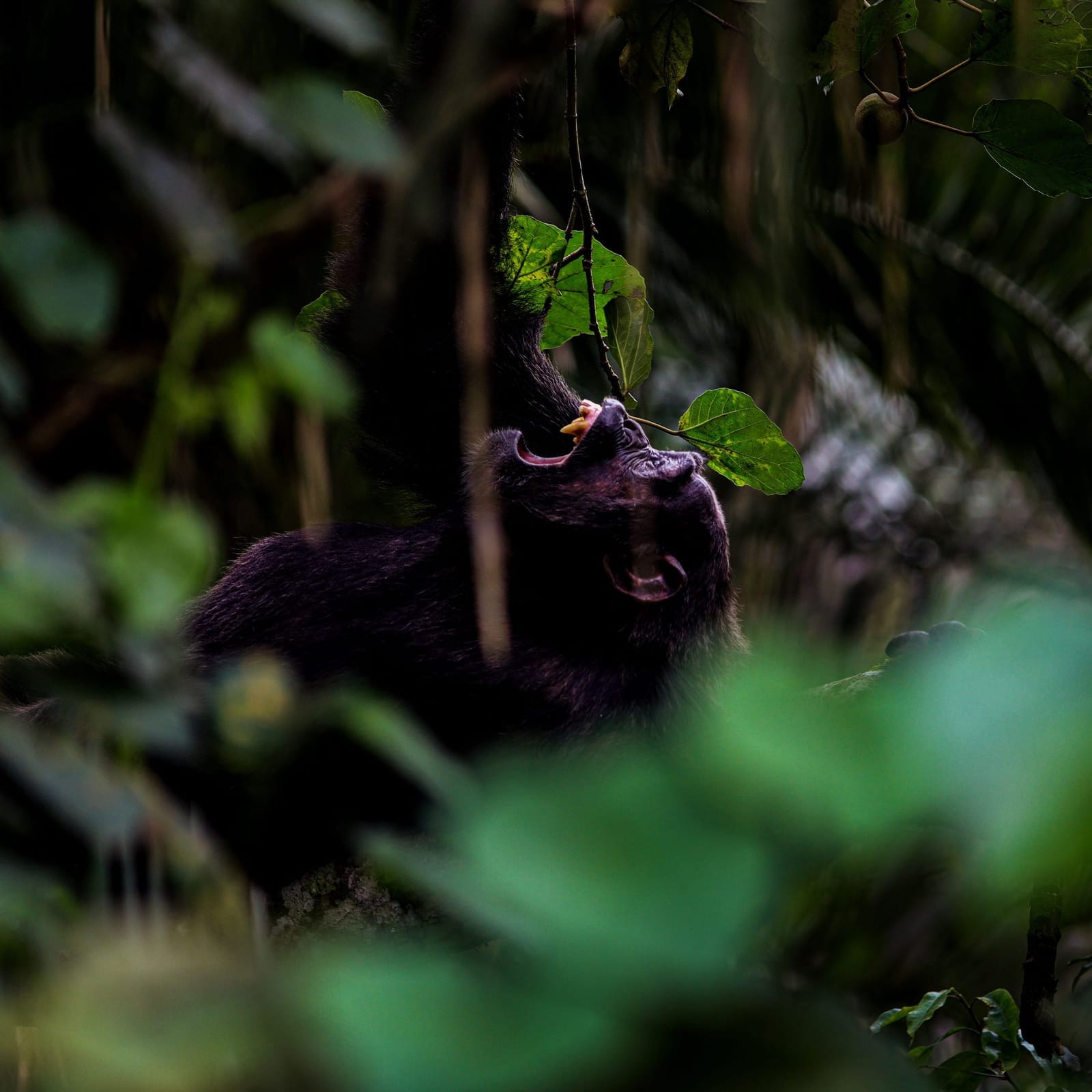
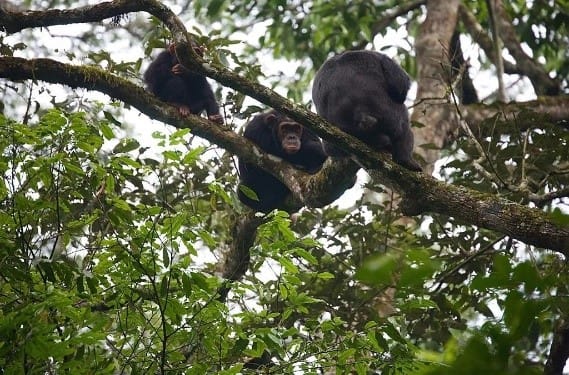
„5 Tage: Primaten der Erde“
Diese Reise bietet Ihnen alles, was Sie über Primaten erleben und erfahren möchten.
4.600 € Speichern 5%
4.370 € pro Person